


Adviсes • 19 February, 2026
What to eat while travelling to feel light
Any trip is a period of adaptation, even if the destination and type of holiday seem familiar. While travelling, the body is simultaneously affected by flights and transfers, changing time zones, prolonged sitting, unfamiliar water and different cuisine. Your sleep pattern and meal schedule change, which can cause even familiar foods to be digested differently, and the accumulated discomfort can affect your overall well-being. That is why nutrition while travelling plays a more important role than it seems at the planning stage. Most often, discomfort arises not from exotic foods, but from overeating and chaotic snacking. When the body does not understand when the next meal will be, heaviness and fatigue appear. Therefore, when travelling, it is important not only what you eat, but also how often. Light meals on the road are not restrictions, but a practical approach that allows you to maintain normal well-being, especially in the first days of your trip. Below, we share practical tips to help Centrum Air passengers feel comfortable during flights and trips abroad. Principles of light meals when travelling When travelling, food quickly starts to work either for you or against you – and the difference is most often in a few simple habits. They are universal and work regardless of the country, cuisine, and type of travel. These guidelines help you build a diet that supports your body rather than overloading it. The basic principles to rely on are: ● Regular meals. The body is better at digesting small portions every 3–4 hours than infrequent but large meals, especially when travelling. ● Simple dishes. The fewer ingredients and complex combinations, the easier it is for food to be digested, especially when changing climate and routine. ● Nutrient balance. Proteins provide a stable feeling of fullness, a moderate amount of fat maintains energy, and complex carbohydrates prevent sharp drops in energy levels. ● Mindful eating. Eating without rushing and constant distractions allows you to feel fuller and avoid overeating. Following these principles does not require strict restrictions. They help you adapt your diet to the conditions of your trip and reduce the strain on your body. This eliminates the constant feeling of heaviness, reduces fatigue, and makes it easier to maintain normal energy levels throughout the day. What to eat on the road (plane, train, bus) When travelling, the body works differently: less movement, more sitting, a different rhythm – and food begins to feel heavier. Therefore, foods that are well tolerated at home may cause discomfort when travelling. The optimal choice of food for travelling is based on simplicity and predictability. It is important that the food does not cause thirst, is not too fatty, and does not require large portions to satisfy hunger. Suitable options for travelling: ● Protein foods. Boiled chicken, fish, eggs, or low-fat cheese provide a long-lasting feeling of fullness and do not overload the stomach. ● Neutral side dishes and vegetables. Rice, buckwheat, boiled vegetables, cucumbers and carrots are easily digestible and do not cause a sharp reaction. ● Fruit in moderation. Apples, bananas and pears are convenient for travelling and do not require complicated preparation. ● Fermented milk products. Yoghurts and kefirs support microflora and aid digestion when stored properly. During air travel, a convenient solution is special meals on board from Centrum Air: balanced diets with a variety of dishes allow you to choose the right option and get it on board instead of the standard menu. This food is well suited for long trips, as it does not cause sudden drowsiness and helps you stay alert on the road. It is important to remember that even high-quality and well-thought-out food on the road should be consumed in moderation. Overeating while being inactive almost always leads to a feeling of heaviness, regardless of the composition of the diet. What to choose in cafes and restaurants while travelling When travelling, we almost always eat in cafés and restaurants, so our choice of food begins to directly affect our well-being. But even if the menu is unfamiliar, you can always find dishes that do not overload the body, because it is not the cuisine that plays a key role, but the method of preparation and the ingredients. A common mistake is to order several dishes at once or choose the most calorie-dense options ‘to try’. This quickly leads to overeating and feeling unwell, especially in the first few days of the trip. What to look for when choosing dishes: ● Method of preparation. Baked, stewed and boiled dishes are easier to digest than fried and heavily fried ones. ● Portion size. It is better to share large portions or choose one main dish instead of several. ● Ingredients and sauces. The fewer hidden sauces, cream and oil, the calmer your body's reaction will be (ask for the sauce to be served separately). ● Presence of vegetables. Vegetable side dishes and salads help balance your meal and improve digestion, so be sure to order them with meat and fish. This approach allows you to try the local cuisine without feeling overwhelmed. Eating remains part of the journey, not a cause of fatigue. Over time, it becomes easier to navigate the menu and make choices automatically. This reduces the risk of unpleasant consequences and makes eating more predictable, even in unfamiliar places. What is best to limit or exclude when travelling Some foods are particularly difficult to digest when travelling and changing your routine. Even if they do not cause problems at home, their effect is amplified when travelling. Often, these foods are the cause of fatigue, heaviness and low energy, especially when combined with flying and low activity levels. Foods that put a strain on the body: ● Fatty and fried foods. They slow down digestion and increase drowsiness. ● Fast food. It combines fat, salt and fast carbohydrates, creating overload. ● Sweet fizzy drinks. Increase thirst and cause sharp energy fluctuations; ● Alcohol. Increases the risk of dehydration and puts extra strain on the body. Limiting these foods helps to maintain stable well-being. This is not a ban, but a conscious choice in favour of your own comfort. Snacking while travelling Snacking often becomes a major problem on the road. Sweets and snacks are convenient, but they have a short-term effect and quickly lead to a drop in energy. It is much more effective to choose foods that maintain energy and do not interfere with main meals. The best snack options are: ● Nuts. A small portion provides long-lasting satiety and maintains energy levels. ● Fruit. Helps maintain blood sugar levels without sharp spikes. ● Yoghurt and fermented milk drinks. Easy to digest and suitable for travelling. ● Whole grain products. Sugar-free bread or porridge is convenient for travelling. Snacks help maintain a regular eating pattern and avoid sudden hunger pangs. They do not overload the digestive system and allow you to wait calmly for your main meal without overeating. At the same time, energy is distributed more evenly, without sharp peaks and troughs, which is especially important when travelling and on a busy schedule. Drinking regime on the road When travelling, it is easy to forget about water or replace it with coffee and sweet drinks. This is one of the most common causes of fatigue, headaches and feelings of heaviness. Drinking regularly in small sips helps the body cope with stress. Clean water supports digestion, reduces the risk of swelling and helps you tolerate flights more easily. It is especially important to monitor your drinking regime on planes and in hot climates. How to stay light and energetic on any trip Lightness in travel comes from simple and straightforward solutions. Regular meals, moderate portions, sufficient water, and attention to your own feelings help the body adapt without unnecessary stress. This approach does not limit your experiences, but makes the trip more comfortable. It is important to remember that the goal is not a perfect diet, but sustained well-being. If food supports you rather than distracts you, you will have more energy for walks, excursions and new experiences. Practical recommendations to help you feel better on the road: ● Plan your meals in advance, especially on travel days. ● Do not skip meals while waiting for the ‘right moment.’ ● Choose simple and familiar dishes in the first few days of your trip. ● Stay hydrated, even if you do not feel particularly thirsty. ● Leave room for local cuisine, but without overloading or rushing. This approach allows you to stay light and productive throughout your trip. When food becomes a source of support rather than a challenge, travelling feels more relaxed and enjoyable – without fatigue or unnecessary compromises.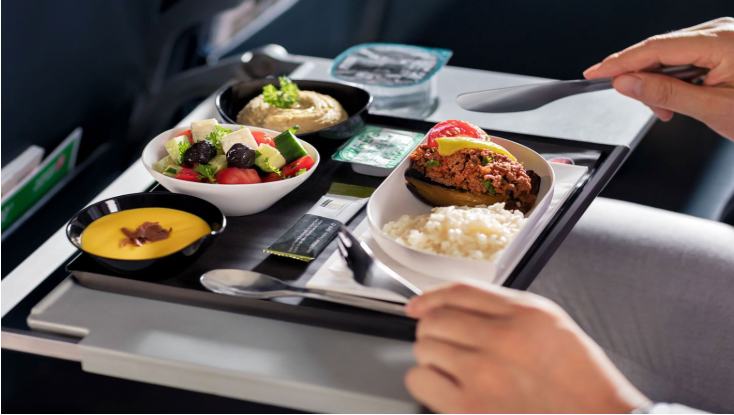


Become a guide to the world of travel


