


Сuisine • 24 December, 2025
The best destinations for food tours in Asia
Food tourism has long since become a separate type of tourism, attracting people with the opportunity to learn about culture through taste. Asia stands out from other regions in particular: it offers a huge variety of traditions, cooking techniques, local products and ways of serving dishes. Travellers come here not only for historical sights or nature, but also to get acquainted with the local food – one day trying dishes cooked over an open fire by street chefs, and the next day finding themselves in a three-Michelin-star haute cuisine restaurant.
Asian countries are also known for their affordability: many dishes are inexpensive, making a gastronomic trip comfortable even for those on a tight budget. Thanks to the expanding route network of Centrum Air, many popular gastronomic destinations have become easier to organise, which only fuels interest in the region. That is why gastronomic tours of Asia continue to grow in popularity, expanding the geography of destinations and offering travellers new taste discoveries.
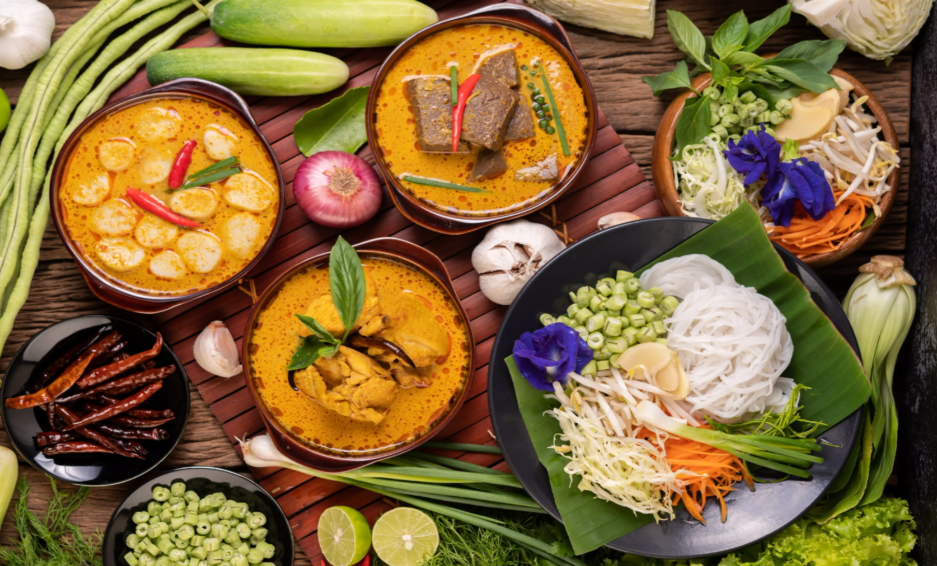
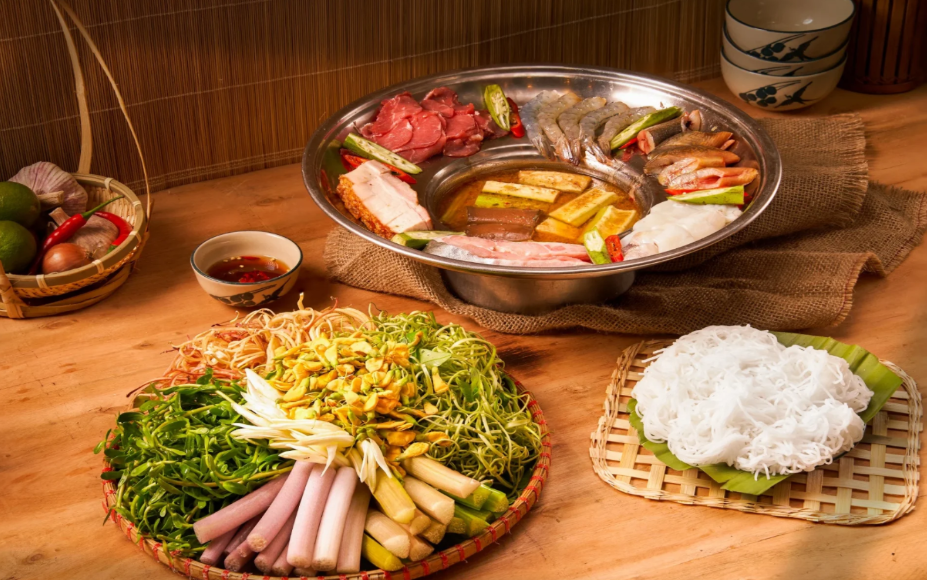
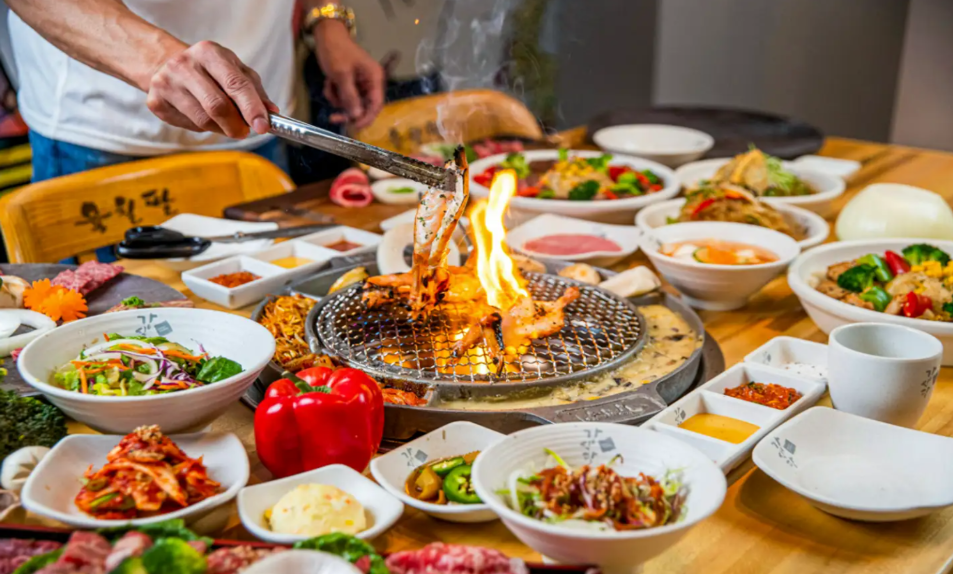
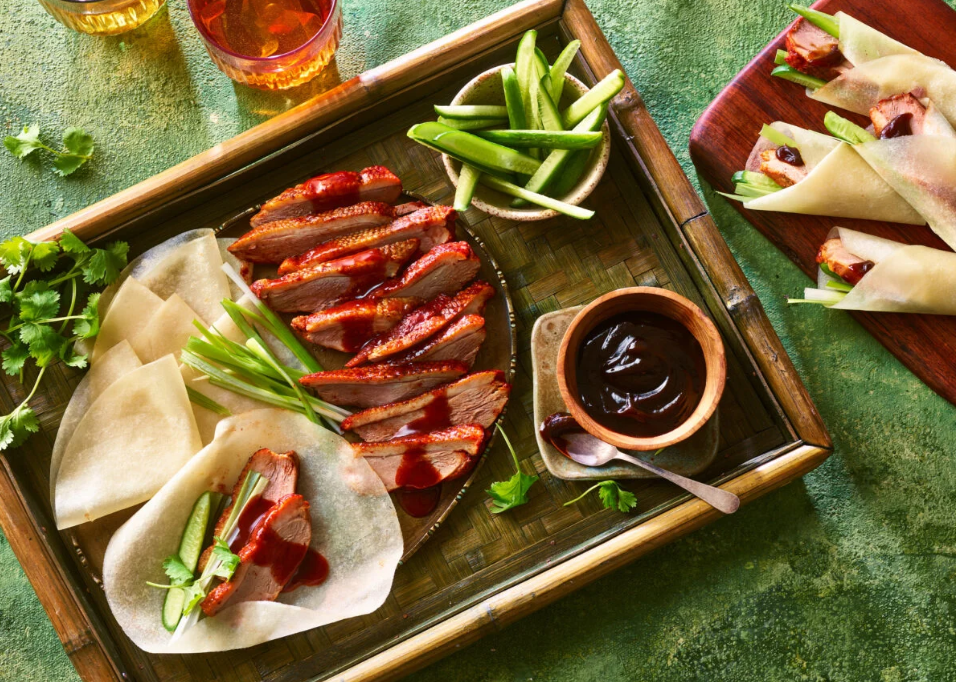
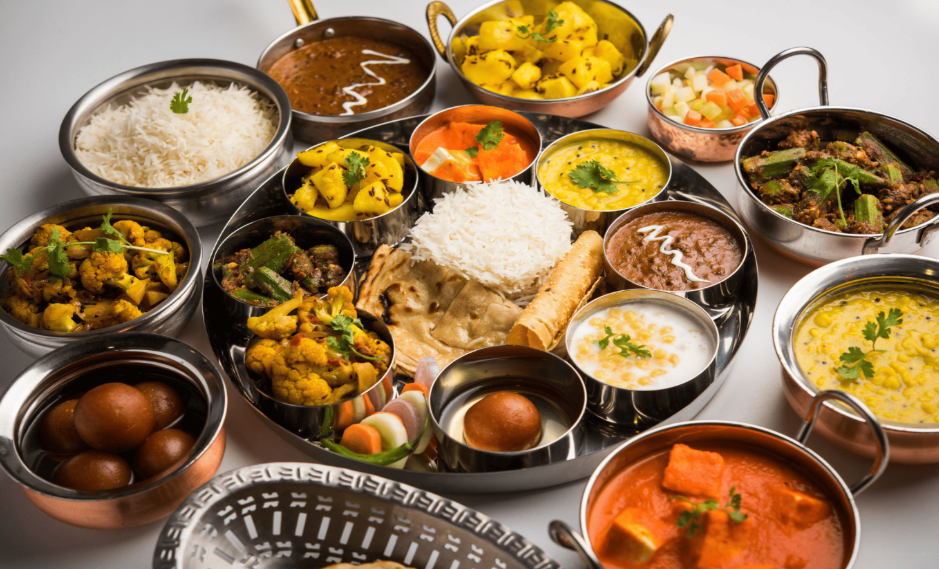
Thailand deservedly occupies a leading position among the world's gastronomic destinations. Here, food is a vivid reflection of culture: from spicy soups to sweet desserts, from spicy salads to wok-fried dishes. Bangkok is a true epicentre of gastronomic life, where each district has its own characteristics and signature dishes. Street markets are open late into the night, and some are open around the clock, allowing travellers to explore the cuisine at any time. Thai food is distinguished by its balance of flavours: sweet and sour, spicy and salty notes blend harmoniously in a single dish, creating a unique experience. Here's what you should definitely try on a gastronomic tour of Thailand: Pad Thai – fried rice noodles with egg, tofu or shrimp, cooked in a hot wok; Tom Yum – a spicy and sour soup with shrimp, lemongrass and lime, distinguished by its bright aromas; Larb – a salad of chopped meat with lime, herbs and a slight spiciness, popular in the north of the country; Som tam – a spicy green papaya salad, which is pounded in a mortar right in front of the guest; Khao pad – Thai fried rice cooked in a wok with vegetables, eggs and spices, often with the addition of chicken, shrimp or seafood; Mango sticky rice – rice with coconut milk and fresh mango, one of the most recognisable Thai desserts. Must-see spots in Bangkok include the Yaowarat Night Market in Chinatown, where you can try seafood, fried insects and duck blood soup, as well as the Chatuchak Weekend Market, which has over 800 food stalls. Equally interesting are the Damnoen Saduak and Amphawa floating markets, famous for their coconut pancakes and grilled food cooked right on the boats. As a bonus, you can sign up for a morning master class in Thai cuisine: in four to five hours, you will prepare several traditional dishes, learn new skills and leave feeling full and satisfied. Vietnamese cuisine is known for its lightness, freshness and naturalness. Most dishes use greens, herbs, lime, rice noodles and meat, which creates a unique taste and aroma. In Hanoi, the cuisine is milder and more balanced, while in Ho Chi Minh City it is bright and spicy, allowing you to feel the differences between the regions. Street food has a special place here: many dishes are quick to prepare but require impeccable precision and fresh ingredients. Rice plays a special role: it is used in soups, desserts, drinks and baked goods. Main dishes worth trying: Pho with beef – a fragrant soup with rice noodles and fresh herbs; Bun cha – rice noodles with fried pork, light broth and herbs; Banh mi – a baguette with meat filling, fresh vegetables and pâté, reflecting a blend of French and Vietnamese traditions; Ca phe chung (coffee with egg) – a thick coffee drink with whipped egg foam; Bun bo nam bo – warm noodles with beef, peanuts and herbs, without broth; Mi quang – thick noodles with meat and herbs, typical of central Vietnam. In recent years, many premium seafood restaurants have opened in Vietnam, and local seafood is 3-4 times cheaper than in Europe. The best spots are the beach restaurants on Bai Dai and the markets in the centre of Cam Ranh in the evening. Here you can try dishes made from the freshest squid, shrimp, crab and fish, as well as watch fishermen prepare traditional recipes. Nearby is Nha Trang, one of Vietnam's most famous resorts, where you can expand the gastronomic part of your trip with street cafes serving langoustines, mussels and the famous Vietnamese soup bun cha ca, which is only prepared in this region. The local authentic cuisine is perfect for those who want to combine a seaside holiday with a variety of new gastronomic experiences. Korean cuisine has confidently gained popularity around the world thanks to its combination of bright flavours and unique textures. Seoul is a true centre of gastronomic life, where street food and haute cuisine restaurants are literally next door to each other. Here you can find dozens of varieties of noodles, meat, fried snacks and fermented dishes. Kimchi, one of the symbols of Korean cuisine, is an integral part of almost every meal. The main dishes to try are: Tteokbokki – soft rice cakes in a spicy sweet gochujang sauce; Kimchi – fermented vegetables that are served with almost every dish; Samgyeopsal (Korean barbecue) – grilled pork that is cooked right at the table and wrapped in lettuce leaves; Corn dogs – a popular Korean snack: sausage or cheese in crispy batter; Chimeok – the iconic combination of Korean fried chicken and beer; Naengmyeon – cold buckwheat noodles in a refreshing broth, especially popular in summer; Pbibimbap – a warm rice dish with vegetables, meat and egg, mixed with kochujang spices. Importantly, each region of the country offers its own variations on popular dishes and traditions: in Busan, it's seafood, and in Jeju, it's black pork. Street food in areas such as Myeongdong and Hongdae is a year-round festival of flavours. Trends include chimek (chicken with beer) and innovations such as vegan K-food. Tourists often participate in kimjang festivals, which involve the collective preparation of kimchi in the open air. Once you get to know Korean cuisine, it's easy to see why it has become a global trend. Here, eating becomes a social experience: many dishes are prepared right at the table, and meals take place in a lively and friendly atmosphere. Chinese cuisine is strikingly diverse: the country's regions are so different from each other that travelling becomes a series of gastronomic discoveries. Peking duck, Sichuan noodles, Cantonese dim sum, Shanghai dishes – these are just the starting point for exploration. Every city has numerous markets where chefs demonstrate traditional techniques that have been passed down for centuries. China is one of those places where street food can be just as complex and rich as restaurant food. Must-try dishes include: Peking duck – crispy, fragrant, served with pancakes and hoisin sauce; Xiaolongbao – Shanghai soup dumplings with broth inside; Hot pot (hogo) – a cult dish from Sichuan, popular in Chengdu and Chongqing; Dim sum – dozens of Cantonese appetisers served steamed (ideal to try in Guangzhou); Baozi – soft buns with meat or vegetable fillings; Sichuan dan dan noodles – spicy, aromatic, with characteristic huajiao pepper. China is perfect for food tours thanks to tea ceremonies, master classes and food markets that help you feel the real atmosphere of the country. In Beijing, it is worth visiting the Wangfujing market, where fried snacks, seafood and traditional sweets are prepared in the evening. In Shanghai, Shouning Road and the Yuyuan Market area are particularly popular for their fresh xiaolongbao and street food. Guangzhou, the capital of Cantonese cuisine, deserves special attention. This city is known for its huge number of restaurants and street stalls serving seafood dishes from the Huangsha Aquatic Market and classic dim sum. Here you can try both traditional recipes and modern variations that reflect the dynamic development of Chinese gastronomy. Guangzhou is a must-see on any gastronomic tour if you want to gain a deeper understanding of Cantonese traditions. Indian cuisine is all about bright spices, rich sauces and a unique aromatic palette. The north and south of the country differ in both flavour accents and cooking techniques, which makes a gastronomic tour particularly diverse. Northern dishes are usually thicker and creamier, while southern dishes are lighter, with lots of rice and coconut milk. India offers a huge variety of flavours – from spicy to sweet, from light to rich – making it one of the best destinations for an interesting and unusual gastronomic tour. Must-try dishes: Masala dosa – a crispy rice pancake stuffed with spiced potatoes; Chicken tikka masala – tender pieces of chicken in a thick, spicy sauce; Chaat (street chaat) – colourful snacks with yoghurt, spices and crunchy toppings; Biryani – fragrant rice with meat or vegetables, cooked in layers; Palak paneer – spinach sauce with soft paneer cheese, one of the most popular vegetarian dishes; Pani puri – crispy balls filled with spicy sauce and potatoes; Traditional Indian sweets – laddu, jalebi, rasgulla and other milk or sugar desserts. India is one of the most vibrant gastronomic destinations, where each region reveals its own character through food. In Delhi, it is Chandni Chowk, Old Delhi sweets and the legendary chaa, which is prepared literally on every corner. In Mumbai, travellers can enjoy pagh bhaji, pani puri and fresh seafood along Marine Drive. Hyderabad is famous for its multi-layered, fragrant biryani, slowly simmered in large cauldrons. In the south of the country, the markets of Chennai and Bangalore offer dosa, idli, uttam and coconut dishes. In temple areas, you can try prasad, vegetarian treats served on banana leaves and prepared in accordance with religious traditions. India's street food is famous all over the world, and a food tour here allows you to try dishes that cannot be found in Indian restaurants outside the country. Conclusion Food tours in Asia allow travellers to see the region from a completely new angle, as food is an essential part of the culture and everyday life here. Every country, every city and even every market offers its own flavours that cannot be replicated anywhere else. That is why a gastronomic journey through Asia is not just a tasting experience, but an interesting and informative one. It brings people together, helps them better understand traditions and reveals local life through food-related customs. This type of travel is suitable for both those who are discovering the region for the first time and those who have already been to Asia and want to see it differently. Here is a short list of useful recommendations to help make your gastronomic tour more comfortable and fulfilling: Explore local areas. Choose areas and markets that are not only touristy but also local – there it is easier to understand the true character of the region's cuisine and avoid inflated prices. Try one dish in different places. Even a classic dish such as soup or fried noodles can vary dramatically in taste. Learn about characteristic food combinations. Pay attention to the spices, sauces and ingredients that are most commonly used in the country – this will help you navigate the menu better and understand what you will definitely like. Don't be afraid to ask for the flavour to be adapted. If a dish seems too spicy or unusual, feel free to ask for an adapted version – many local establishments are willing to cater to tourists' tastes. Take notes. Write down the dishes and places you like right away – at the end of your trip, this will become a mini-guide that you can return to or share with others. After completing a gastronomic tour, many travellers note that food was the main source of their impressions and allowed them to experience the country much more deeply. Culinary discoveries often remain in the memory much longer than visits to museums or excursions, because they are associated with emotions, communication and vivid sensations. Asia offers such a rich gastronomic diversity that even multiple trips cannot cover all destinations and cuisines. That is why gastronomic tours of Asian countries have become one of the most attractive and meaningful forms of travel.Thailand – a mecca for street food
Vietnam – a balance of freshness and bright flavours
South Korea – gastronomy that has become a global trend
China – a gastronomic universe in one country
India – spices, aromas and the gastronomy of emotions
Become a guide to the world of travel


