


Aviation • 7 May, 2026
Symphony of Balance and Precision
Have you ever wondered what happens to an aircraft before it takes off? We often see it being refueled and loaded with luggage, but behind the scenes lies a world of meticulous coordination. Every precise, synchronized action determines whether the flight will depart as planned.
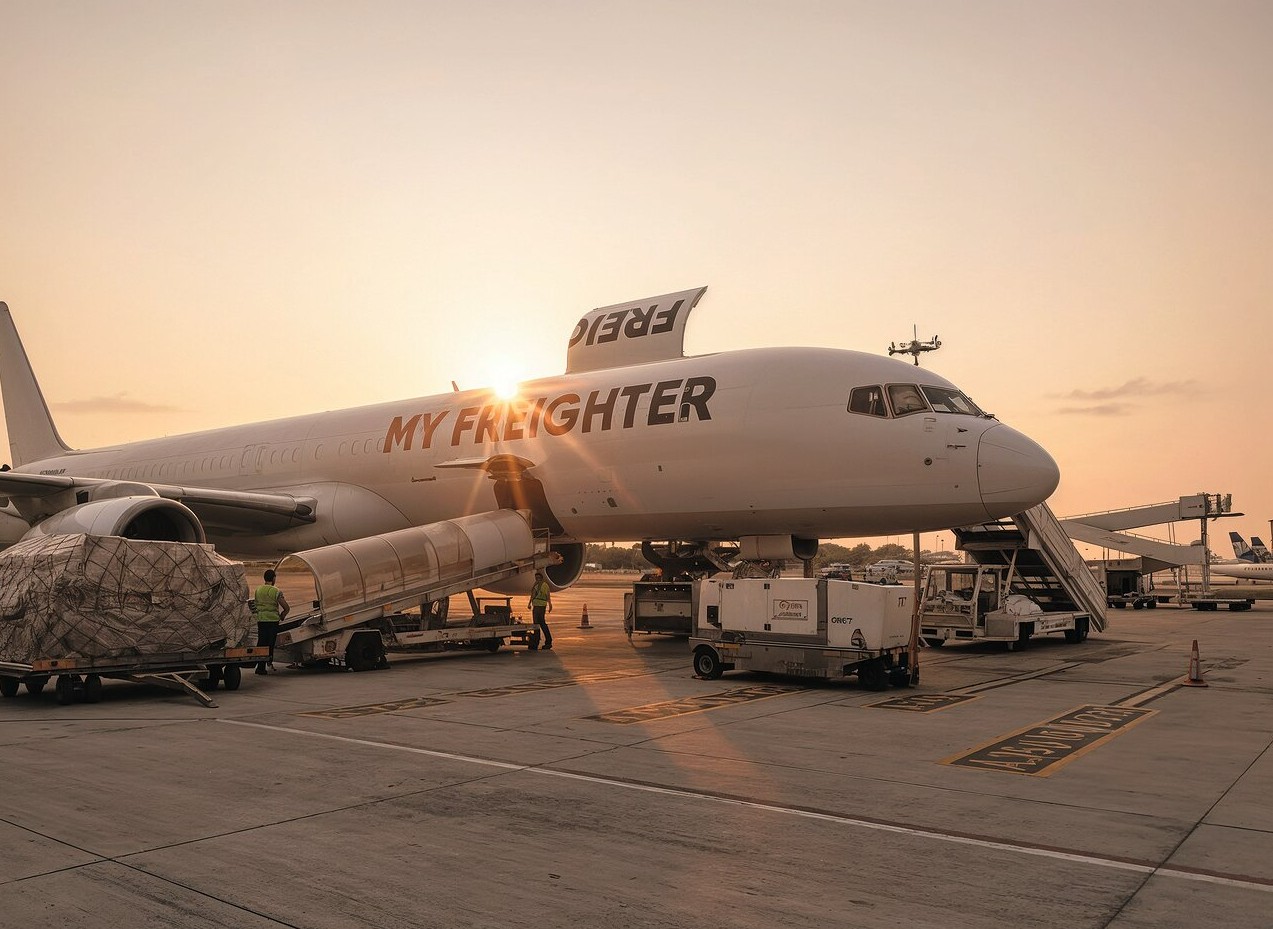
The key role here belongs to ground handling. My Freighter—an airline specializing in cargo transportation and operating passenger flights under the Centrum Air brand—places great emphasis on this stage. Proper placement and secure fastening of baggage are not just formalities but essential safety measures.
The true heroes of this process are the loadmasters. They are masters of balance, weight, and restraint systems. It’s their responsibility to ensure that every kilogram on board is perfectly positioned and securely fixed. Some remain at the airport, while others travel with the crew, overseeing the process in flight. Behind them lie dozens of countries, thousands of flight hours, and countless journeys. Their work often goes unnoticed, yet they are among those who make every smooth takeoff and gentle landing possible.
Albert Gataulin
— Did you dream of working in aviation, or did circumstances simply lead you there?
— Like many people fascinated by aviation, my love for airplanes began early. I was always drawn to everything that moves—on land, water, and especially in the sky. I dreamed of traveling, seeing the world, and somehow combining that with my career—and that dream came true. Although, to be honest, my path to becoming a loadmaster wasn’t exactly planned.
When I accepted the offer to join My Freighter, which was a brand-new airline at the time, I didn’t fully know what awaited me or whether I’d be able to find myself in this field. But curiosity and a passion for travel prevailed—and now, three years later, I’m still discovering new horizons.
I started on the ground: handling passenger flights in Tashkent, overseeing aircraft loading, coordinating ground services, preparing flight documentation, and ensuring the airport provided the necessary equipment. Later, I began flying as a loadmaster—first on the Boeing 747 freighter, then on the 767.
I truly enjoy being in the air, being part of a team that does meaningful and fascinating work. My engineering background also comes in handy—it’s saved the day more than once.
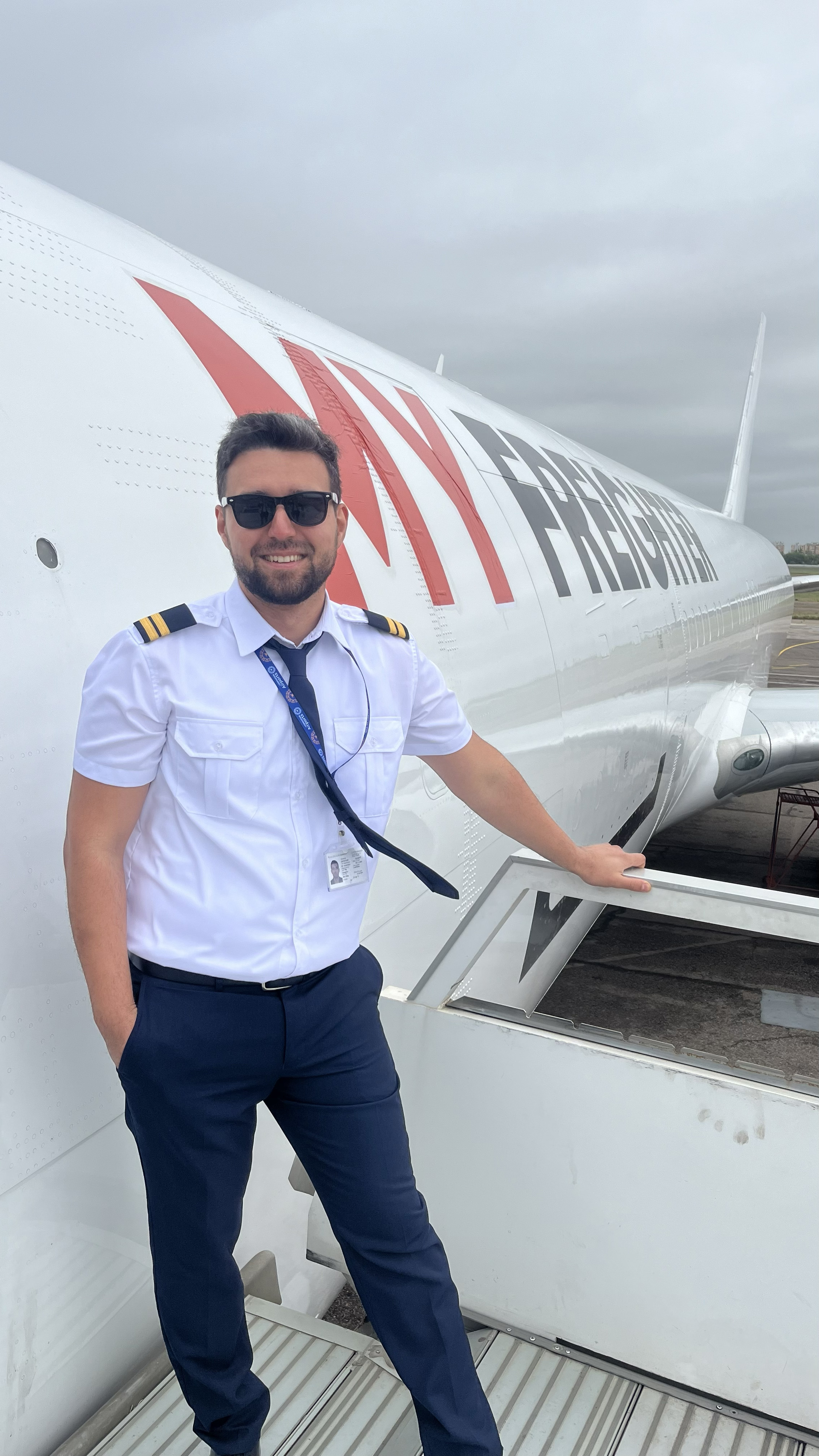
— What does your work on a flight involve?
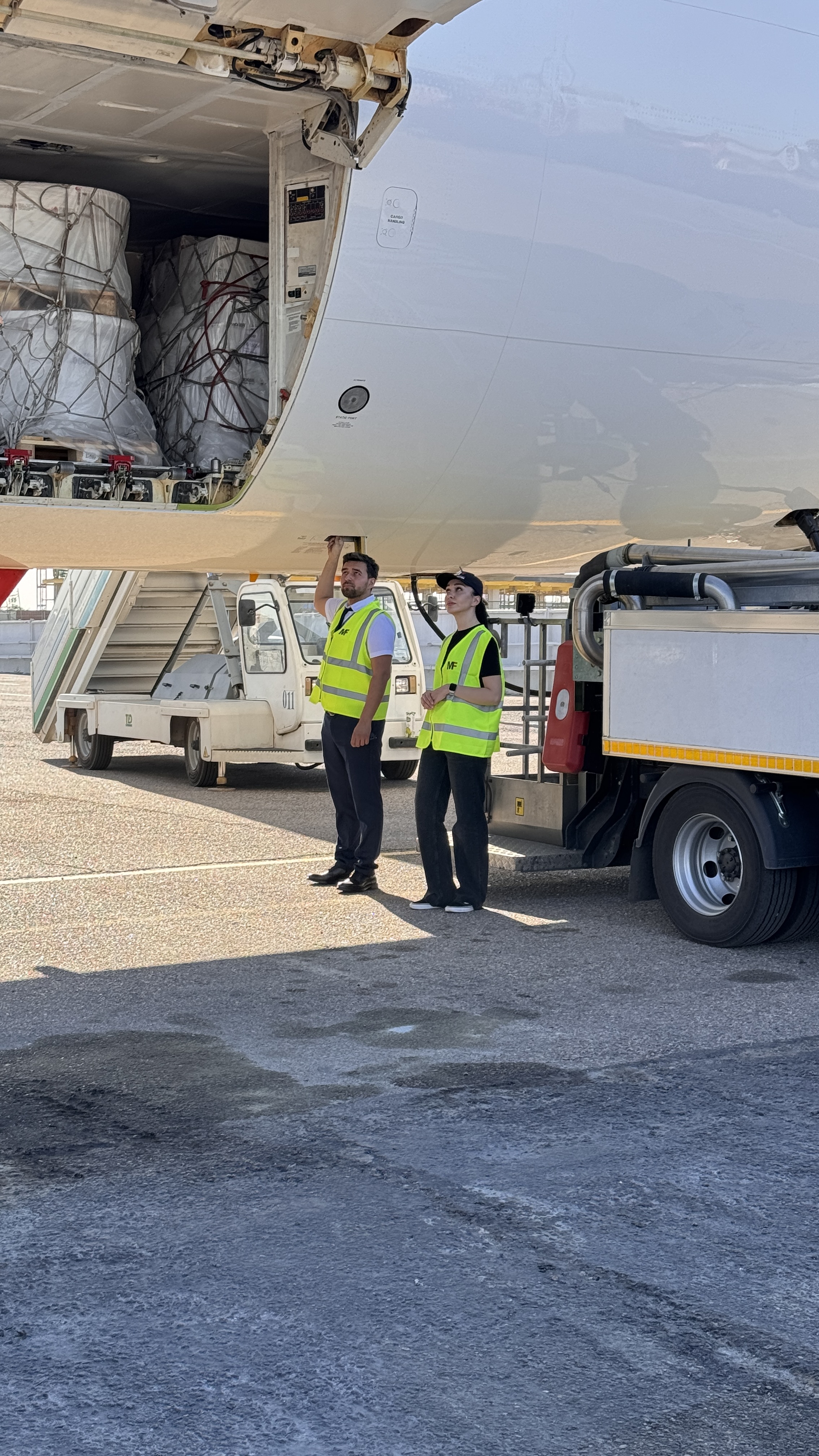
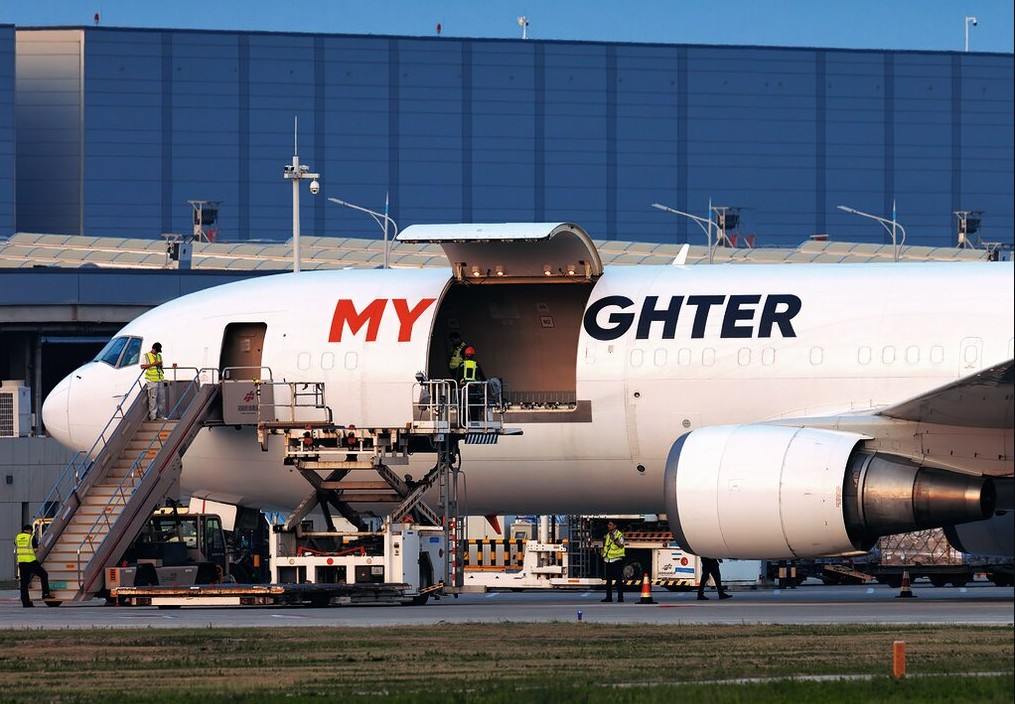
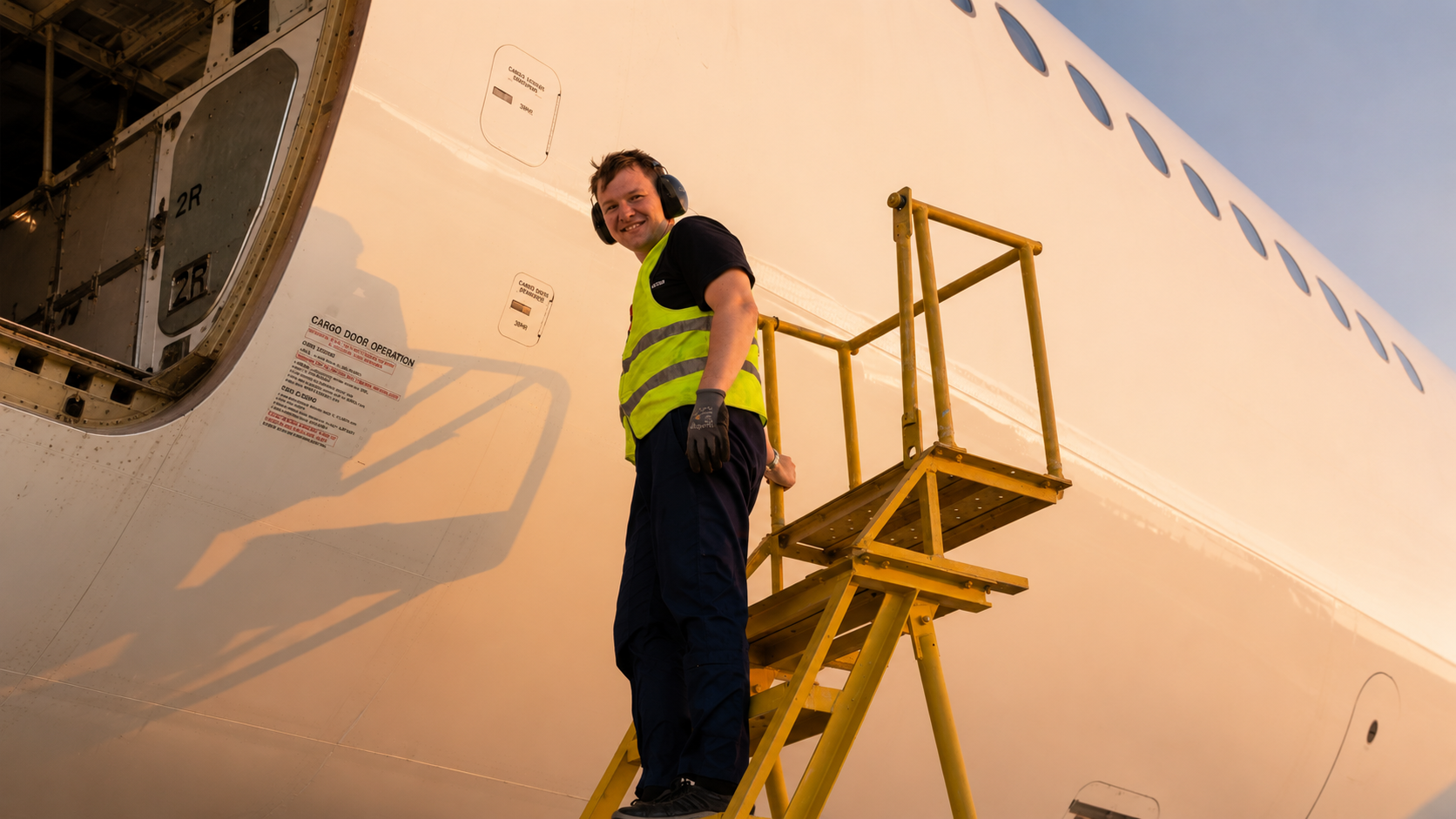
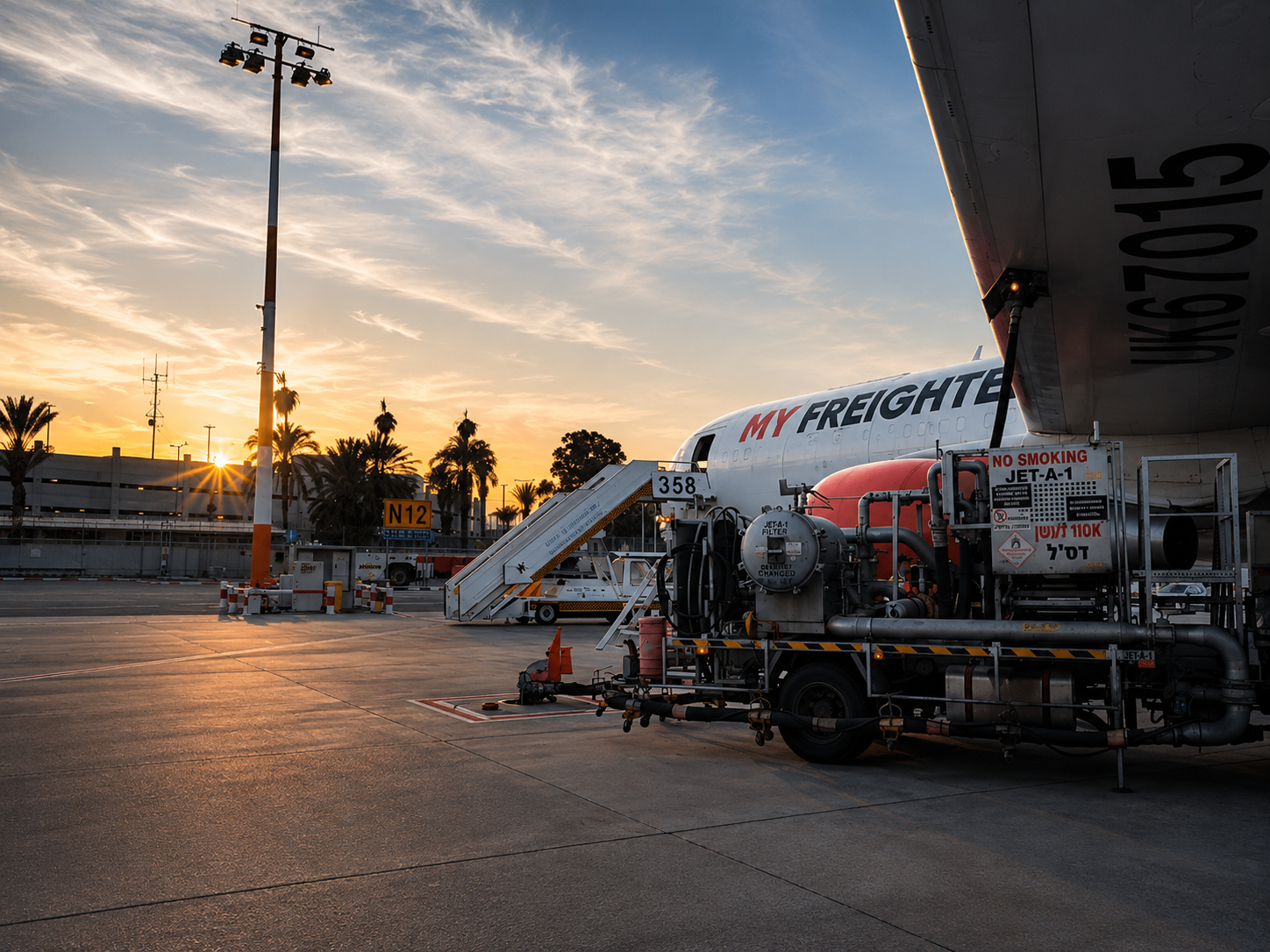
— It involves organizing and supervising the aircraft’s ground handling. I have to make sure that all the necessary equipment — stairs, fuel trucks, ground power units, loaders — is delivered on time. If there are passengers with reduced mobility on board, an ambulift is always required.
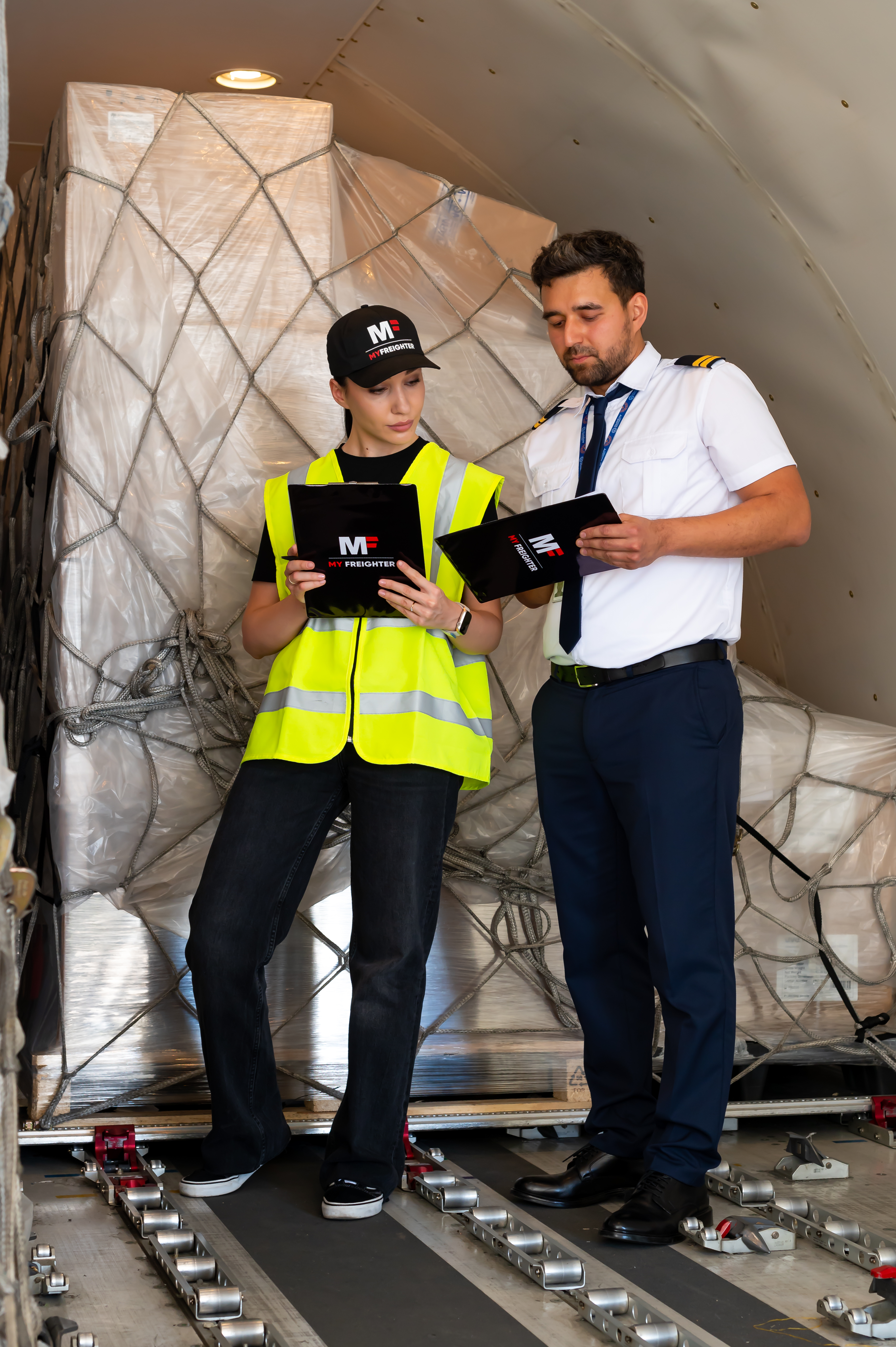
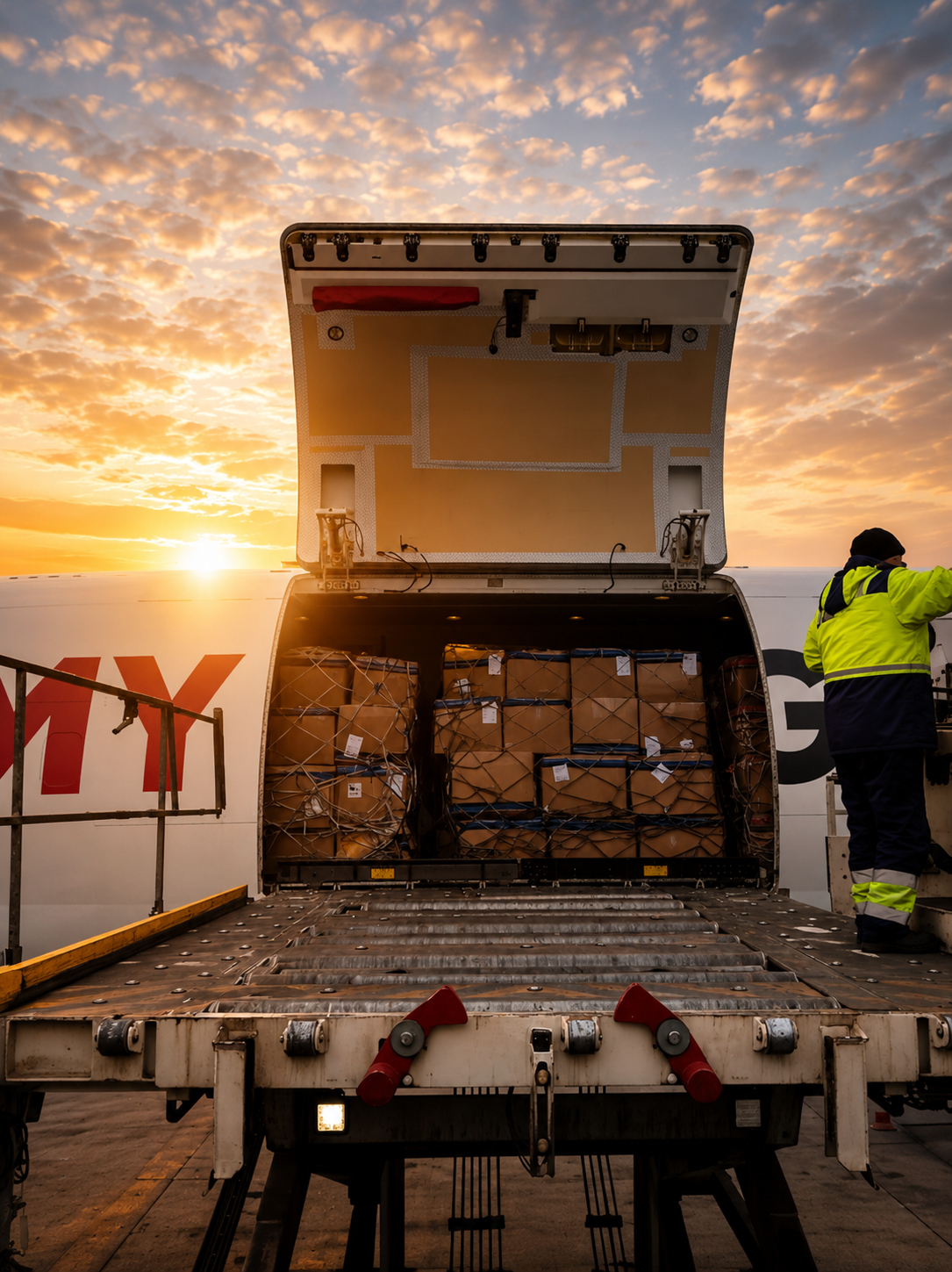
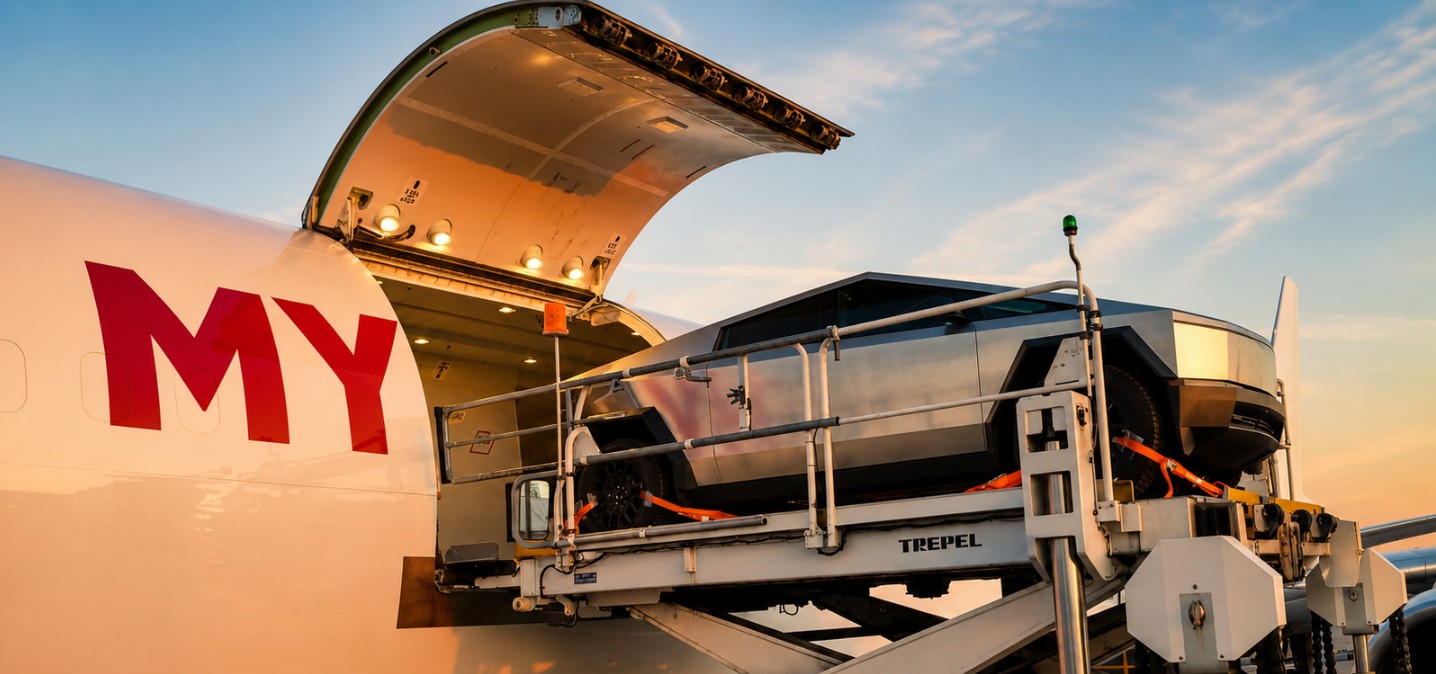
Special attention is given to loading and unloading. I need to ensure everything is done safely: cargo must not damage the aircraft or tip it backward. It’s also important to monitor how cargo is placed and secured. Sometimes I give instructions on how to properly fasten unusual items; other times, I do it myself. For example, I secure spare wheels or equipment with straps so that nothing moves or gets damaged during the flight.
In some cases, I calculate the center of gravity and prepare the loading plan — this is necessary to ensure baggage and cargo are correctly positioned. I stay in constant contact with the company’s flight operations center to make joint decisions if needed, for example, adjusting the departure time.
— Where have you traveled as a loadmaster?
— Thanks to my work, I’ve visited many countries across Europe and various parts of China. Madrid left a strong impression with its lively and welcoming people, and Shenzhen and Guangzhou amazed me with their incredible cuisine, picturesque landscapes, and friendly locals. At the beginning of my career, we frequently flew to the hot city of Dubai.
There were also special flights, like humanitarian missions. On one occasion, we were urgently sent to Herat after a devastating earthquake. We delivered 100 tons of humanitarian aid from the Uzbekistan government — food, tents, and everything needed for temporary shelter for those affected. The challenge was that we had only returned from another flight the night before. Still, we spent the entire next day and night preparing the cargo, loading the aircraft, and taking off early in the morning. Landing and takeoff were only possible during daylight: there was no electricity in Herat, the visual signaling system was out, and flights after dark were prohibited. But we knew people were counting on us, and despite being exhausted, we made sure to arrive in the morning, unload, and depart before sunset. It was an intense and meaningful flight. It felt great to know you were part of a team that genuinely helps people.
— In your opinion, is it difficult to become a loadmaster?
— If you start from scratch, it requires perseverance, readiness for intensive training, and, of course, good physical condition. The training is very intensive. The first aircraft I worked on was a Boeing 747 freighter — not an easy plane, with many nuances. Sometimes we stayed up until three in the morning after a full day of training to complete homework — calculating the loading and balance for a practice flight. Often, there was only one correct solution, and everything had to be calculated in detail, following all parameters.
When you master the second, third, or fourth type of aircraft, it gets easier: you already have a base, much becomes intuitive, but at the first stage, not everyone manages. In addition, the job requires endurance. The schedule is irregular, flights are exhausting, and trips are frequent. Sometimes you wake up in another city in the morning and try to figure out: where am I, what time is it, isn’t it time for the next flight?
Some people don’t cope — they leave flying, preferring stable ground work for a smaller salary but with a regular schedule. Another challenging aspect is the constant separation from loved ones. Not everyone is ready for that.
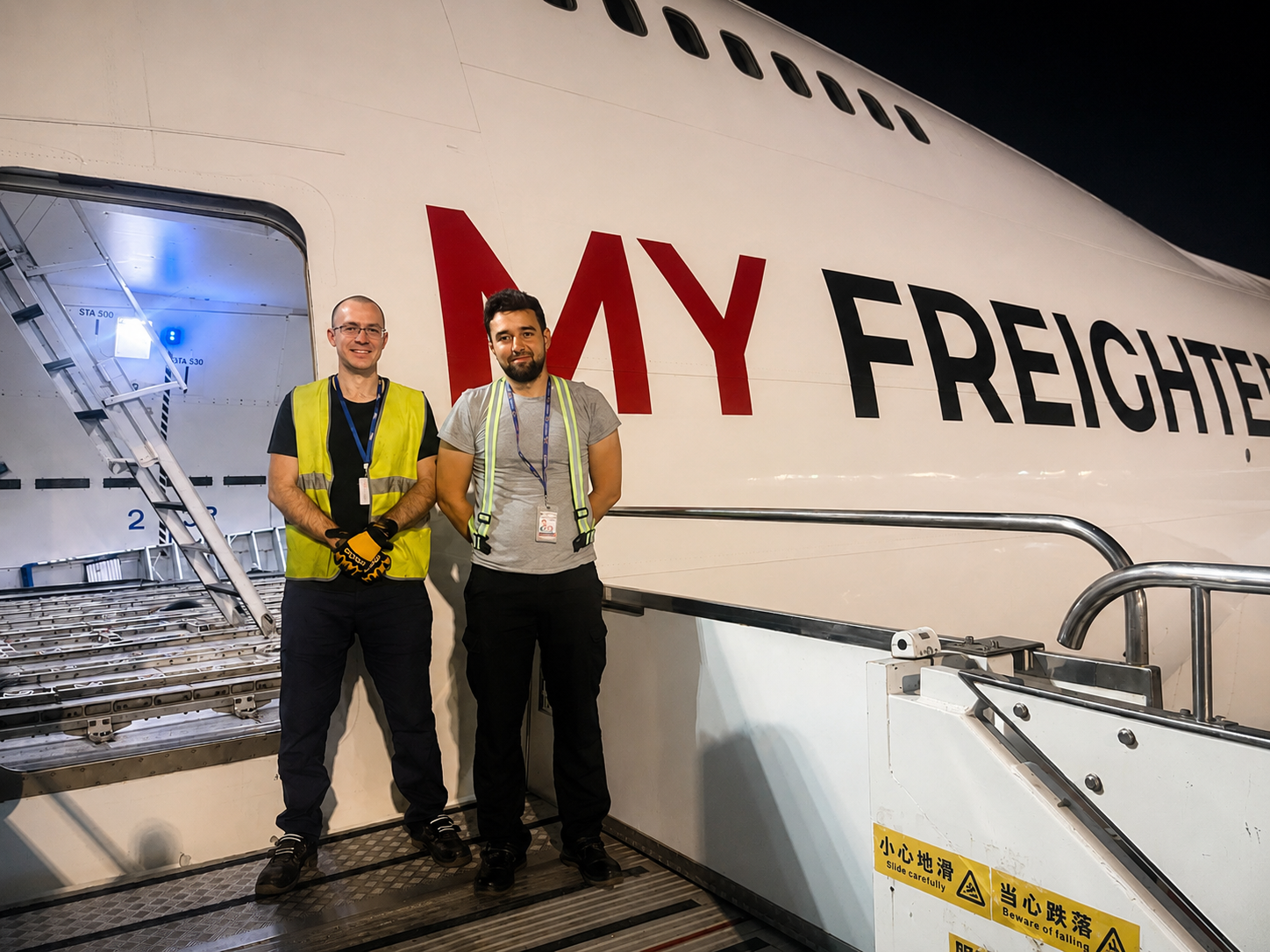
— How long are your trips usually?
— It varies. Sometimes you fly out for one night and return ten days later. Most trips last from one to several days, so I always carry a small suitcase with enough clothes for a couple of nights — just in case a flight is delayed or a new route from an intermediate airport appears unexpectedly.
But for me, the benefits clearly outweigh the drawbacks. Every flight is a new experience, a new country, or a familiar city you want to revisit. Today you’re sunbathing on the sandy shore of the Mediterranean, and in a couple of days you’re walking through the narrow streets of a historic European town. Then you return home with a suitcase full of impressions and souvenirs from a long trip — isn’t that amazing?
— What advice would you give to those just starting this path?
— During my work, I’ve met many wonderful people — pilots, engineers, and ground staff in various countries. Being a loadmaster made me realize that communication is very important in our field. The ability to communicate is not just a useful skill; it’s the key to new opportunities and personal growth.
Every time I go to the airport, I look forward to meeting my colleagues and already know that the flight will be interesting. So, to newcomers, I would say: approach your work with openness and curiosity. This profession offers travel, experiences, and, if approached with heart, can become a true lifelong career. May your flights be smooth, and your journeys thrilling.
Ivan Luzhnetsky
— How did you become a loadmaster?
— Since childhood, I was drawn to the sky — airplanes, space, adventures. I was into model aviation, devoured science and science fiction literature, and watched documentaries like Jacques-Yves Cousteau’s Undersea Odyssey. All of this shaped my worldview and my desire to connect my life with aviation. I approached the profession of a loadmaster consciously. I started working at the airport in the ground handling department, while simultaneously seeking opportunities for training to eventually fly as part of a crew.
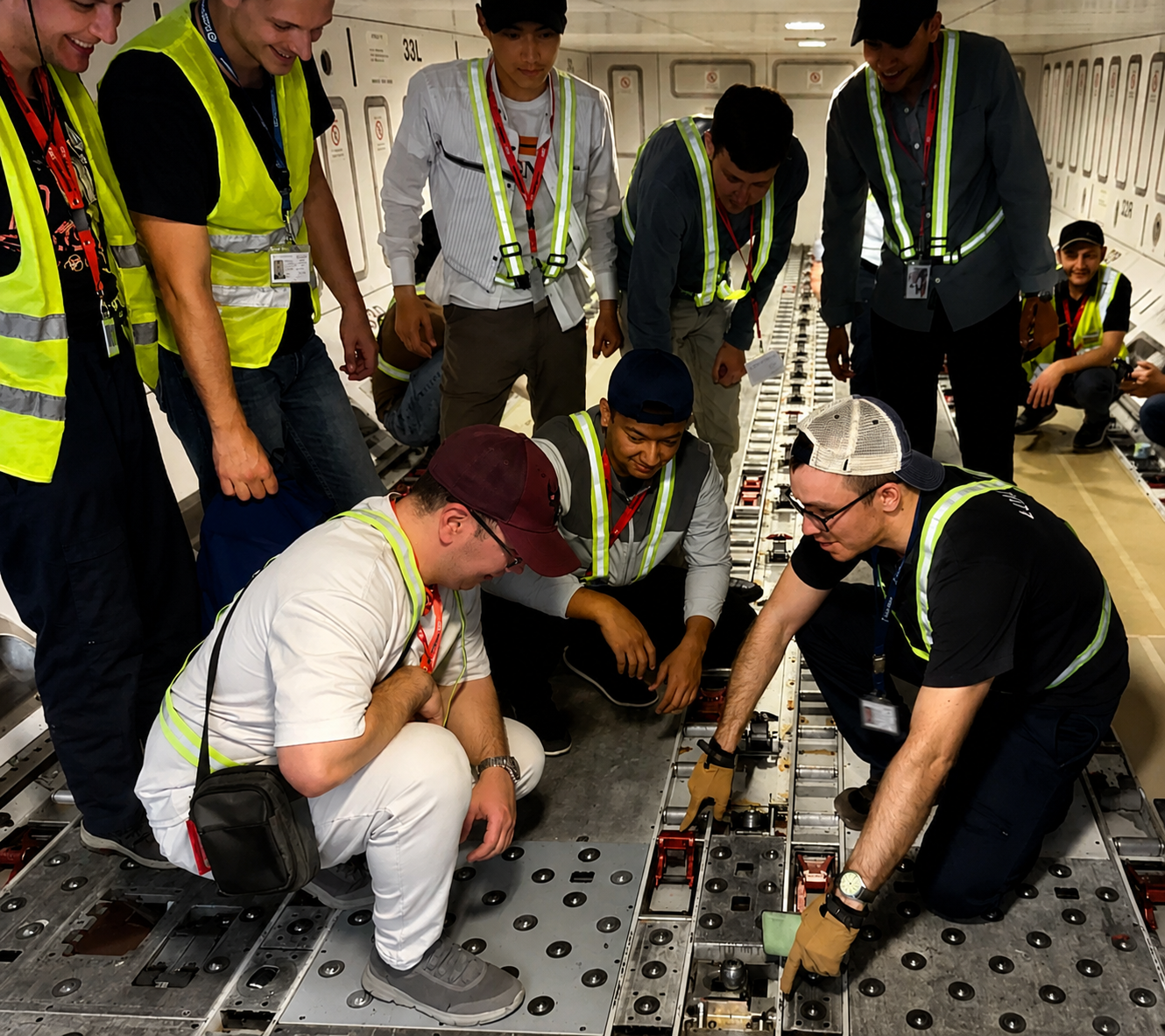
Typically, loadmaster training is organized by airlines depending on their aircraft types and standards. In this sense, I was lucky: at My Freighter, the training was serious and intensive, but thanks to my prior experience, much of it was familiar. Even at the theoretical stage, we clearly understood what we would face — and this helped me integrate into the job more quickly.
— What do you enjoy most about your work?
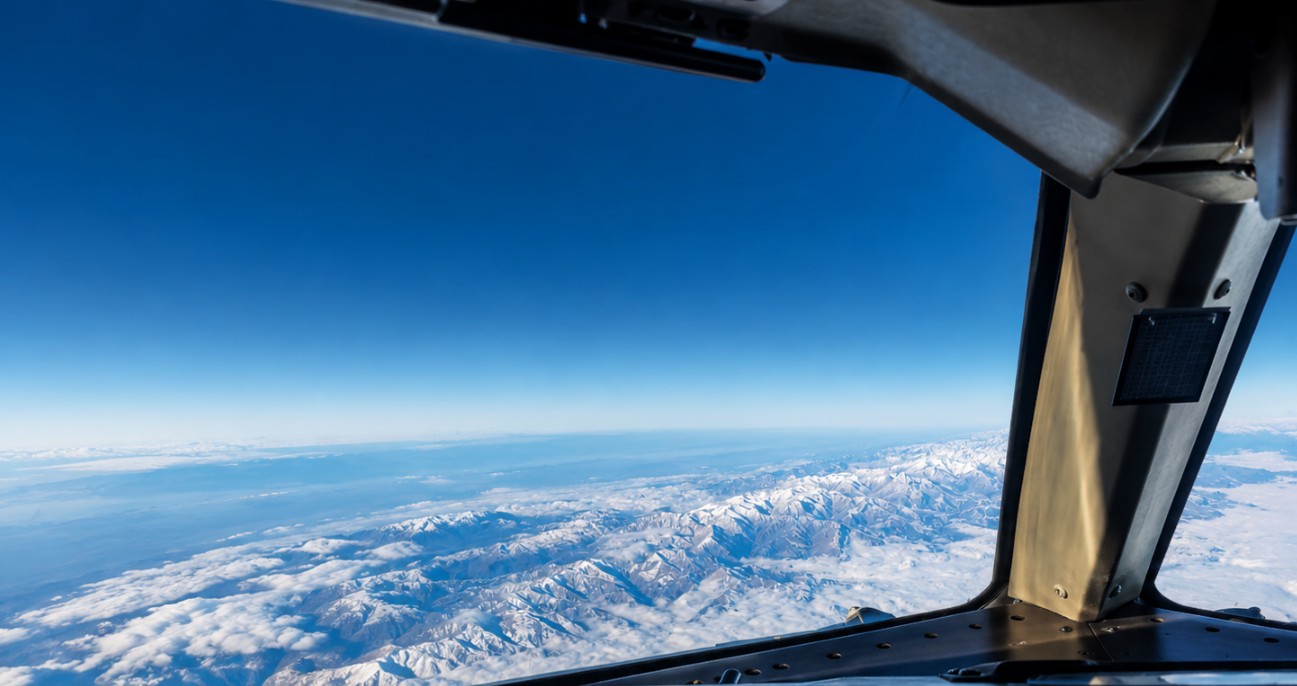
— First and foremost, the feeling of being part of a team that does challenging but important work. I enjoy knowing that I am handling tasks on which much depends. And also the flight itself: the view from the cabin, the clouds, the starry sky at night… At cruising altitude, the stars look completely different from the ground — brighter, closer. And when you fly around a storm front at night and see lightning flashing inside the clouds, it’s simply mesmerizing.
— Is it more comfortable to fly on a cargo plane than on a passenger plane?
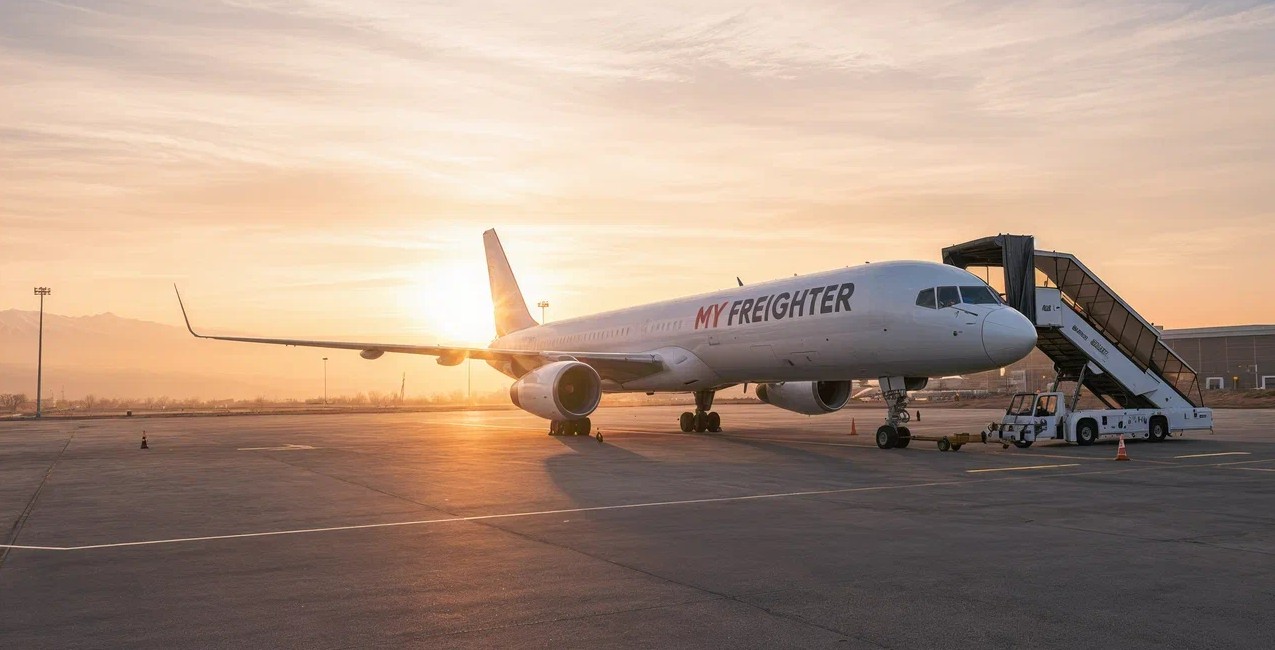
— On cargo Boeing 767s, there are several extra seats for the crew. Of course, it’s not business class, but it’s quite comfortable for a long flight. On the smaller Boeing 757, however, there’s only a double folding seat, like on a flight attendant’s jump seat, so much depends on the type of aircraft.
— What’s the most challenging part of being a loadmaster?
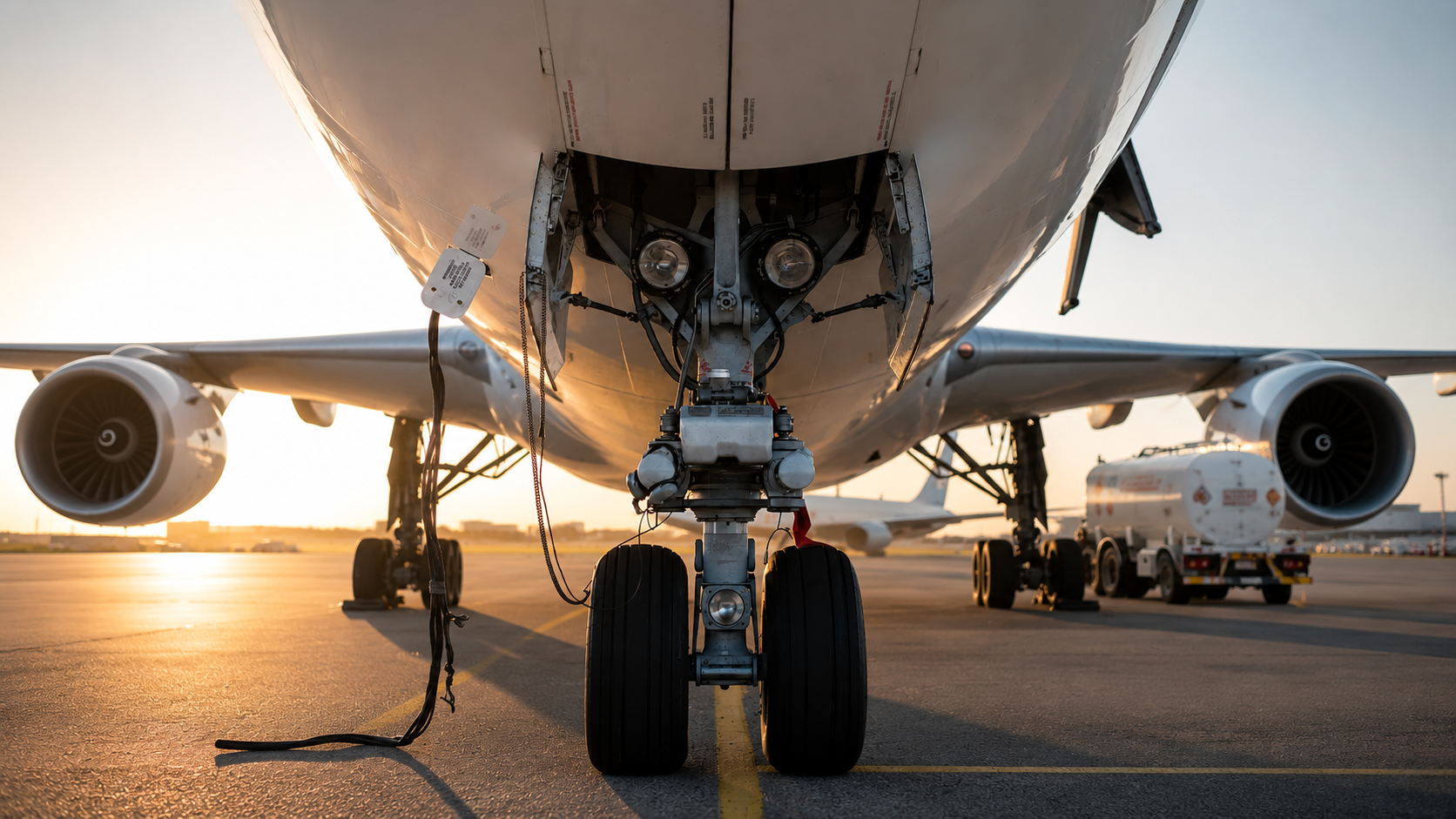
— Multitasking. You often have to manage several processes at once. For example, the pilots are still on their way from the hotel, but the fuel truck has already arrived at the aircraft — so you have to make quick decisions about refueling. And right at that moment, you receive information that additional cargo has been added to the flight. That means the dispatcher must recalculate the fuel volume, while you have to recalculate the aircraft’s balance and promptly pass new loading instructions to the ground agent.
And keep in mind — that agent isn’t only handling your flight. He might have two other regular flights to oversee, and everything must be completed on time. If you don’t coordinate all the services properly, the flight will be delayed, and the schedule will suffer. It’s not easy, but that’s what makes it interesting. A loadmaster is the key link between all ground services — you could say a conductor on a technical stage, ensuring that the entire ground operation runs smoothly.
— Which countries have impressed you the most?
— Israel and China. In Israel, I loved the sea and the chance to surf whenever I had free time. In China, I’m drawn to the culture, the language, and the architecture. Plus, it’s a great opportunity to practice languages — besides English, I also speak German and Chinese.
— Had you already traveled much before becoming a loadmaster?
— Yes, quite a lot before joining My Freighter. I spent a year in Senegal teaching astronomy, three years teaching English in China, took part in archaeological excavations in Germany, and went scuba diving in the Philippines, Egypt, Turkey, and again in Senegal. I’ve also hiked across the Alps, the Caucasus, the Tien Shan, and the Sayan Mountains.
Travel has always been an important part of my life — and, in a way, it’s what eventually led me to the profession I have today. — Have you ever found yourself in difficult or risky situations? — There have been plenty of adventures, that’s for sure. Once, I went to the Philippines for a diving trip, and right then the Taal volcano erupted. It was as if all the tourists had vanished overnight — only a few Chinese divers and I remained. To be honest, I even enjoyed it: quiet, no crowds. Luckily, the volcano calmed down quickly and without any serious consequences. But another situation was far more serious — I caught malaria while in Africa. It’s a treacherous disease: high fever, severe chills, and to make things worse, there are different strains in different regions, so the treatment can vary. I went through four local hospitals, feeling worse by the hour, and no one could make a proper diagnosis. By the third day, I was completely bedridden and thought, “That’s it, I’m done for.” What saved me was being urgently taken to a French Foreign Legion clinic, where, by pure luck, there was a doctor with the right experience. He recognized the symptoms immediately and prescribed the correct treatment. — Are health risks taken into account when you fly as a loadmaster? — In our company, yes. For example, before flying to regions with higher health risks, we receive vaccinations, including for yellow fever. In addition, we have insurance that covers medical assistance during business trips. It’s an important part of preparation, especially since our work involves frequent flights across different climate zones. — How does your family react to your long business trips? — I think everyone who chooses this path has to be ready for long absences. When you’re younger, it feels easier, but with time, it gets harder. Still, someone has to do this challenging job. I suppose it takes a certain mindset — with a bit of adventurism. A “sky nomad” simply can’t live any other way. Aleksei Grebinyak — I’ve been fascinated by aviation since childhood, even though no one in my family was connected to it: my father was an officer, and my mother was a teacher. When I was little, we often flew to visit my grandparents during the summer, and I loved watching the clouds, planes, and helicopters. Of course, I dreamed of becoming a pilot, but my eyesight didn’t allow it. I got closer to the sky after finishing school — I started parachute jumping at an aero club and read everything I could about aviation. As a student, I joined the airport’s passenger service department, but I only saw airplanes through the terminal windows, while I wanted to be right there on the airfield, “under the wing.” After university, I completed my military service and then joined a major cargo airline. We were trained from scratch — handling dangerous goods, calculating load and balance, and preparing cargo for transportation. I started working on the ramp, later moved to the office, where I processed requests from the commercial department, but continued to fly as a loadmaster to stay connected to real operations. Since then, I’ve always tried to focus on production needs rather than just “office theory.” When My Freighter was just beginning operations, I was invited to take part in launching the company’s flight operations. Much of it was familiar, but there were plenty of new challenges too. And that’s exactly what makes this work valuable — new challenges and new experience. — How long does loadmaster training usually take? — On average, it’s at least a month of intensive theoretical training, followed by practical work — first at the base airport and then on actual flights. Training a loadmaster means training a highly specialized professional, and not everyone makes it through: some fail the medical requirements, others struggle with calculations or load planning. There are international standards for the required knowledge and skills. A loadmaster must understand the rules for transporting dangerous goods, know the structural limits of an aircraft, be able to calculate load and balance, prepare cargo for transport, work efficiently on the ramp, and strictly follow aviation safety regulations. — How diverse is the geography of your work? — In the first nine years of flying alone, I visited about sixty countries across five continents. Sometimes just for a day or two, like in Africa or Europe; sometimes for extended business trips. Even before joining My Freighter, I spent a month in Japan and another in South Korea, combining remote office work with flight operations. Other colleagues also had remarkable routes — some flew to the U.S. for several months, others spent up to three months operating flights to Antarctica with overnight stays there. Since joining My Freighter, I’ve visited China, the Czech Republic, Vietnam, and Egypt, delivered humanitarian aid to Afghanistan, and transported cargo from Pakistan. So if you’re lucky, the geography is truly impressive. — Have you ever made mistakes in calculations or routine operations? — Of course — we’re all human, and mistakes can happen, especially when you’re tired or sleep-deprived. After several nights without proper rest, the risk of error increases significantly. That’s why it’s essential to know your checklists and procedures perfectly — they’re the foundation of safety. I always emphasize this when training newcomers: a tired person is the one most likely to make a critical mistake, and in our job, that’s simply unacceptable. — What advice would you give to those who dream of working in aviation and want to fly? — First of all, learn English. It’s crucial for studying technical materials and communicating with instructors and colleagues around the world. Take care of your health and physical fitness — flying doesn’t make you healthier, and loadmasters often have to work literally “at height.” The cargo deck can be three to five meters above the ground, and sometimes you have to climb ladders in the rain or wind. You don’t need to be as fit as an astronaut, but you shouldn’t get dizzy from fatigue either. And most importantly — be eager to learn and never get complacent. In our profession, the “learned—passed—forgotten” approach doesn’t work. Physics is not the place for improvisation. Here, everything matters: knowledge, precision, and attention.
— How did your career in aviation begin?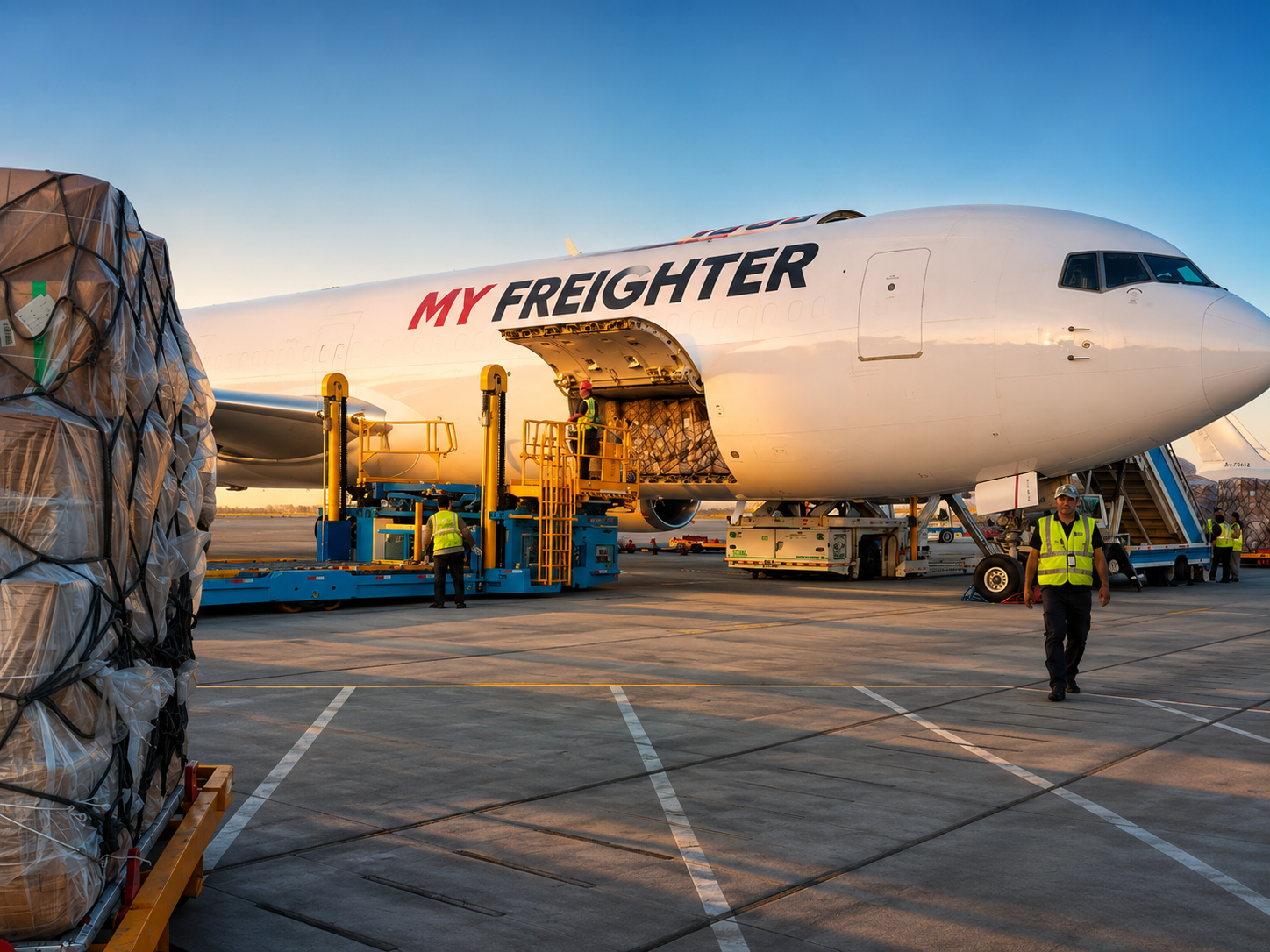
Become a guide to the world of travel


