


Aviation • 5 June, 2026
Dialogues on the Love of Flight
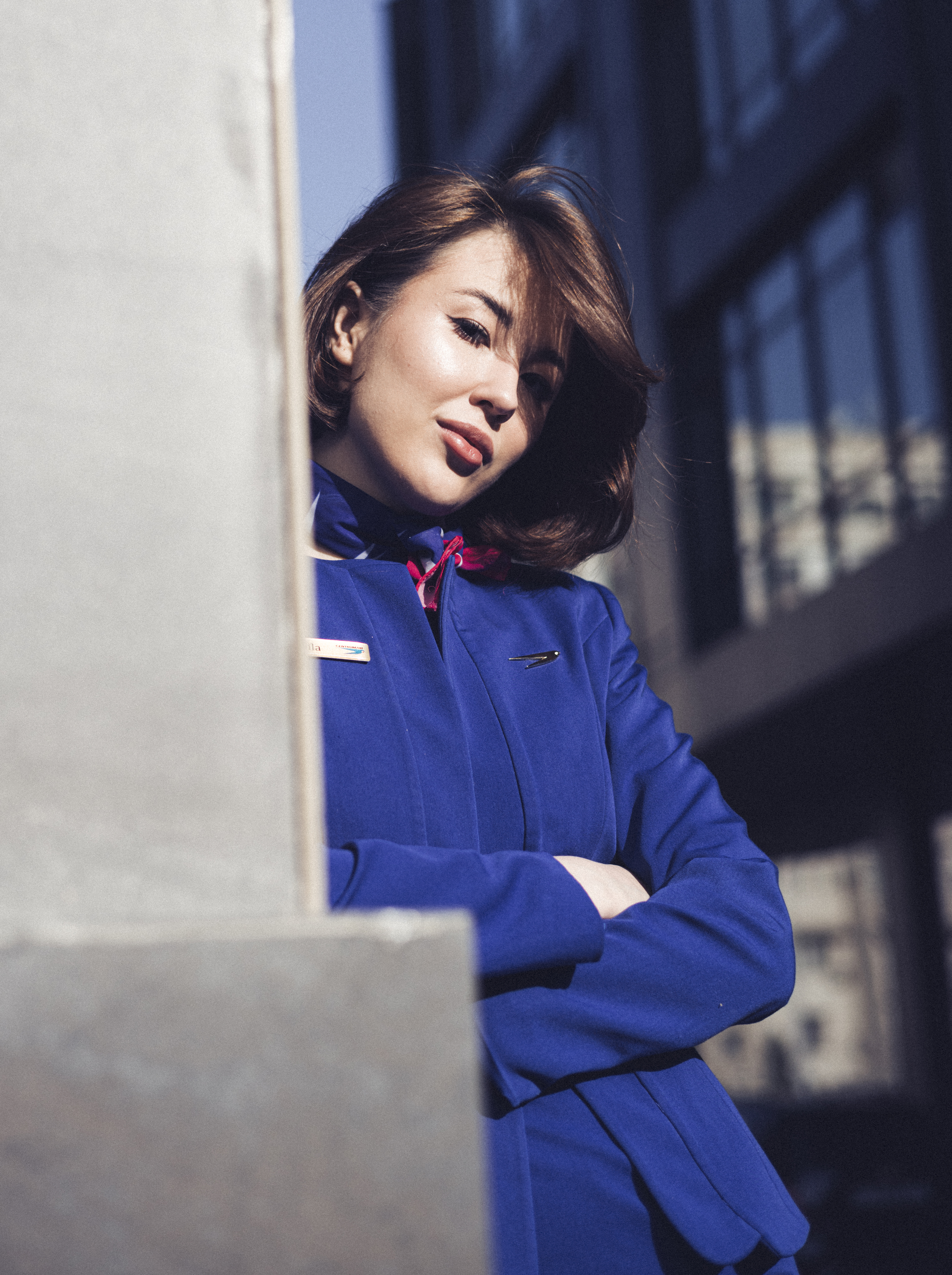
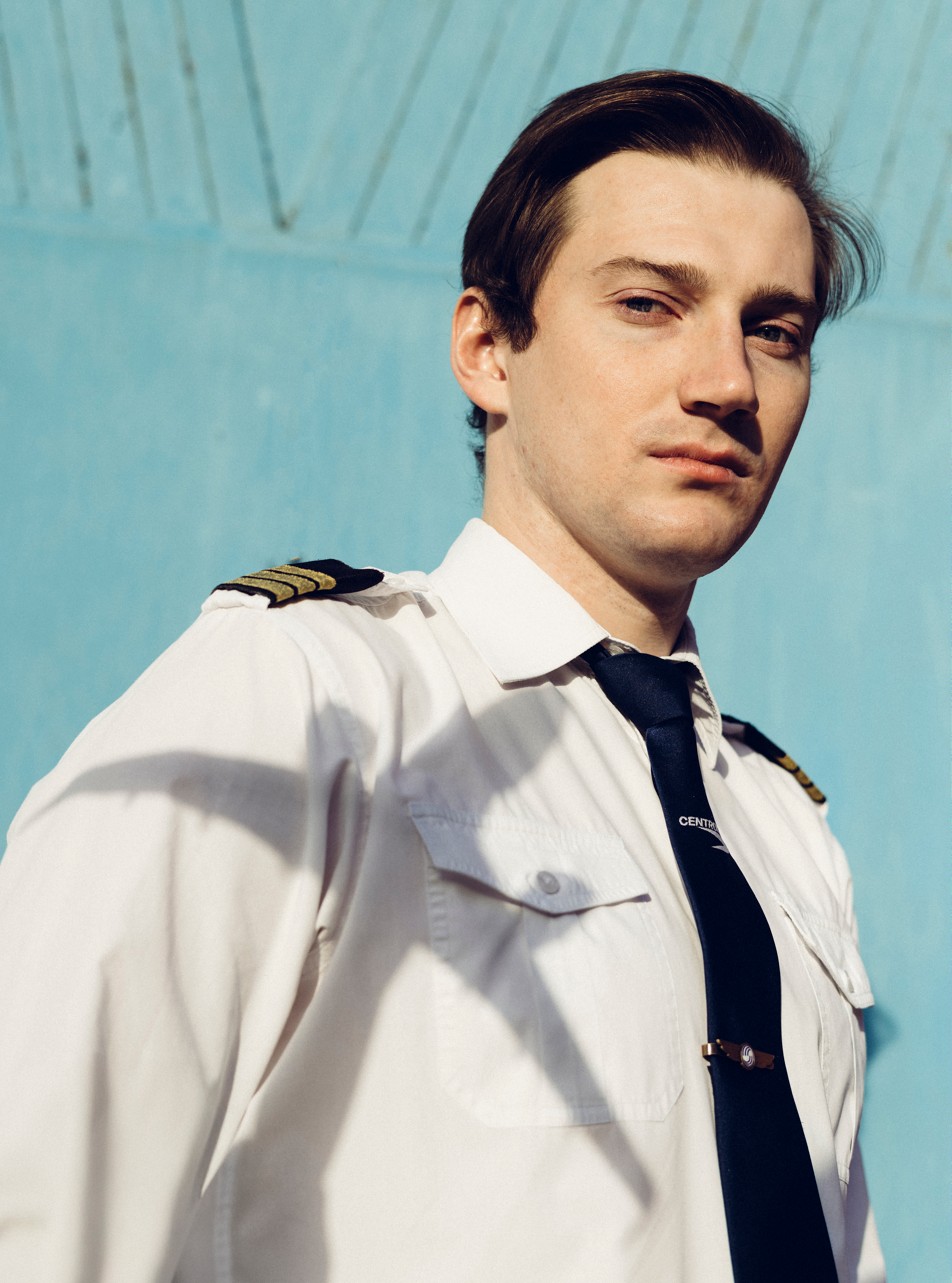
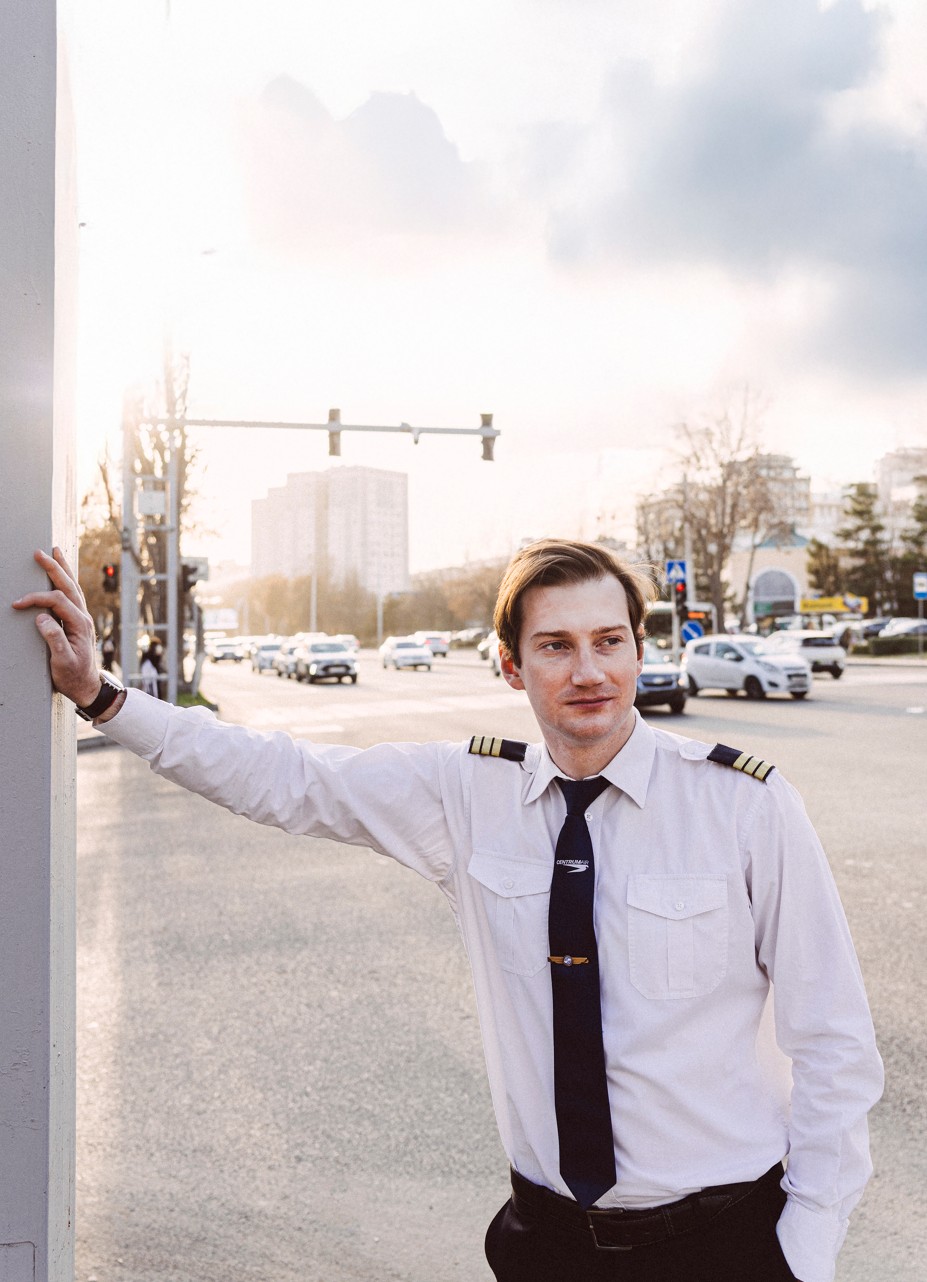
Flight attendant Leyla Askarova and pilot Ilya Kulagin speak about the sky in different ways – through warmth and emotion, discipline and responsibility. Yet beneath their contrasting tones lies the same devotion: a love for their profession and respect for those who entrust them with their journey. Leyla Askarova: “Every flight is a chance to fall in love all over again.”
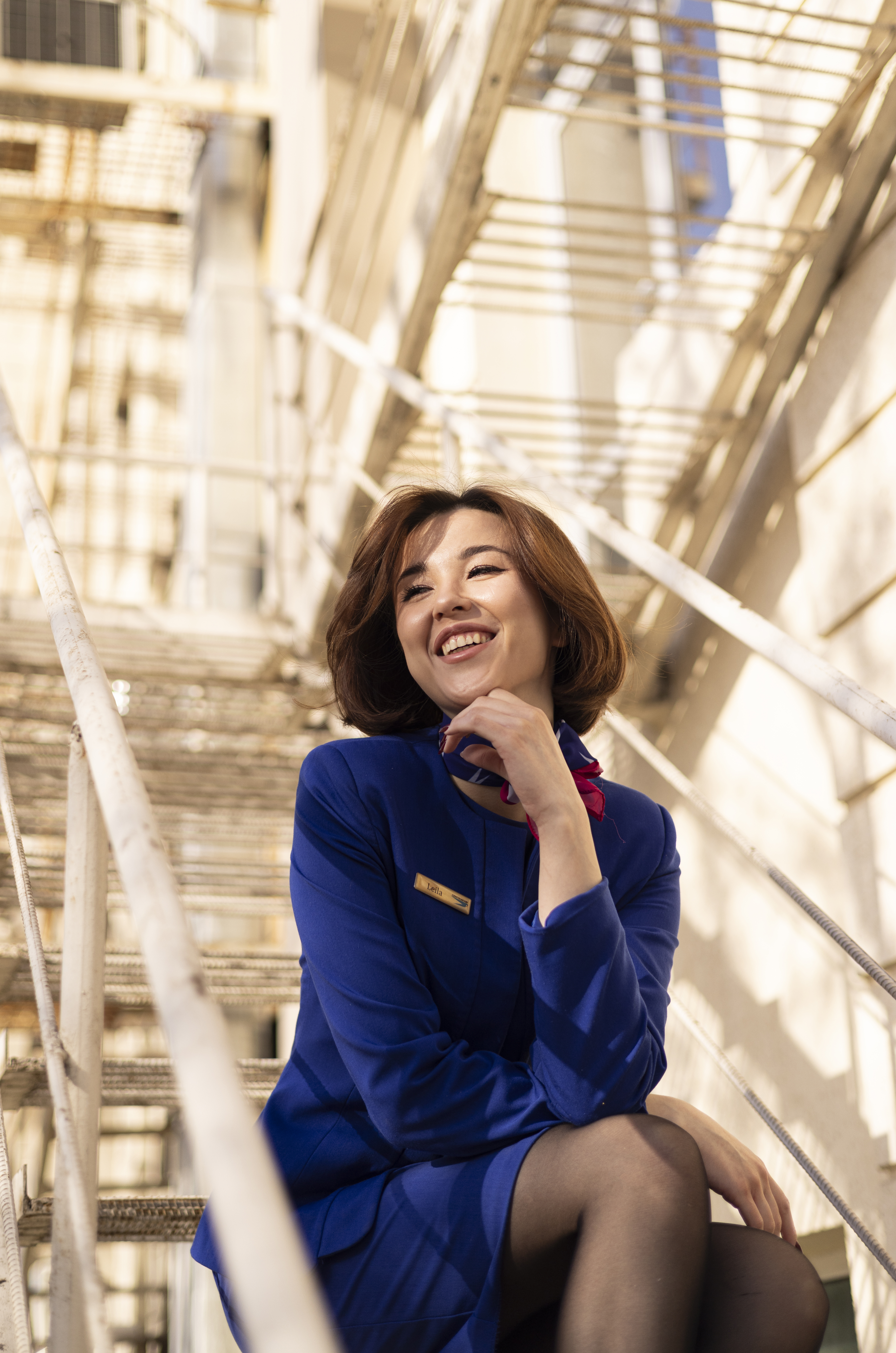
– When did you first realise you were in love with the sky? – I think it was the moment I understood that the sky teaches you freedom. No matter how many borders exist on the ground, above your head there is always open space. And what warms me most is the thought that in that boundless sky, aircraft are flying – and inside them are people just like me. – What is it about your job that touches you every time, even after all this time? – The moment after landing, when applause breaks out in the cabin. In those seconds, you feel that people know how to be grateful. It is a simple yet deeply human way of saying "thank you" to those who kept us safe in the sky. – What is the warmest moment with a passenger that you still remember? – It was during a flight from Tashkent to Korea. A young man quietly approached a flight attendant and asked for help arranging a surprise. He was very nervous; he had a ring in his pocket. When the aircraft reached cruising altitude, an announcement was made that there was a special passenger on board. The flight attendant walked over to a young woman carrying a tray, and under a napkin lay the ring. The man went down on one knee right in the aisle. The cabin fell silent for a moment – and then came the applause. She said yes. I still remember how, at that moment, the cabin at an altitude of ten thousand metres became the warmest place on earth. – Can you recognise a happy person even before take-off? – I think you can. You see it in their eyes – there is always anticipation. Someone is flying to their family, someone to a holiday, someone towards a new life. The airport is full of nervous energy, but almost always there is the joy of a journey about to begin. And to be honest, I believe there are no unhappy people on board. The flight itself is already a step towards something good. And if you greet passengers with warmth, a smile and attentiveness, that feeling only grows stronger. Then you want to take to the sky again and again, to give people that sense of love. – What helps you keep your warmth towards people, even during difficult flights? – Even after a tough flight, I remind myself: every passenger has entrusted us with their sky – and trust cannot be met with coldness. – What is utterly impossible not to love about your profession? – The scarf – which is not just part of the airline’s uniform, but also gives flight attendants a special charm. – Love – what does it mean to you? – It is the warmth you feel even at ten thousand metres, when outside the window there are only clouds and the endless sky, and the care for those who set out on a journey together with us. Ilya Kulagin: “We are focused on keeping everything routine.” – Aviation is more about which feeling? – It is more a combination of what you hear on the radio, see outside the cockpit, and physically feel as G‑forces when you are handling the aircraft. Operating any kind of vehicle is based on sensations. For example, you can tell where a car is and how fast it is going by looking at the dashboard, hearing the engine roar, and noticing how quickly the scenery changes outside the window. The same goes for an aircraft: like passengers, we primarily sense the aircraft’s spatial position through our vestibular system – but that sensation is often deceptive or not entirely accurate. That is why the golden rule for any pilot is to trust the instruments. – What do you feel in those seconds when the aircraft lifts off the ground? – Many people probably think we experience the same feelings as passengers. But for us, this is routine daily work, so we do not feel any thrill from the acceleration when the aircraft rotates. At that moment, we are focused on keeping everything routine: the aircraft accelerating properly and climbing as it should. Our task is to intervene in time if something happens that we did not anticipate. In aviation, this is called “staying ahead of the aircraft” – knowing what will happen at every stage of the flight, several steps ahead, and being ready to take specific actions if something goes off plan. – What are you most grateful for in your profession? – First of all, the opportunity to travel and constantly develop. Pilots often call themselves “eternal students”: you cannot learn everything once and then stop. We have ongoing training, simulator sessions and various types of ground instruction with mandatory knowledge checks. Every six months we recertify on a full‑flight simulator, where a real flight is simulated with failures of various systems. You have to keep yourself sharp, read a lot, remember details and peculiarities of systems that we might not use on regular flights, but which help you make the right decision in an abnormal situation. – What do you think about most often during a flight? – Its safety. – Is it possible to get used to the views from the cockpit and grow tired of them? – Perhaps it is, but I am still thrilled by mountain views every time. I would very much like to share with every passenger what we see from the cockpit – but unfortunately, that is impossible during the flight. – Is it more pleasant to depart or to return home? – I prefer leaving home. Our home base, Tashkent Airport, has been explored from top to bottom, and after a flight you always know you are going home to rest. But when you fly on a work trip to another country, something new awaits you: people, emotions, culture. I think everyone loves travelling because we get a rush of emotion and dopamine from seeing something for the first time: an animal in its natural habitat, the sun setting over the ocean. It is always terribly exciting, so I much prefer flying off somewhere for a long time with good company – people who also cannot stand staying in the hotel and want to see everything. – Describe the sky in one word. – Freedom.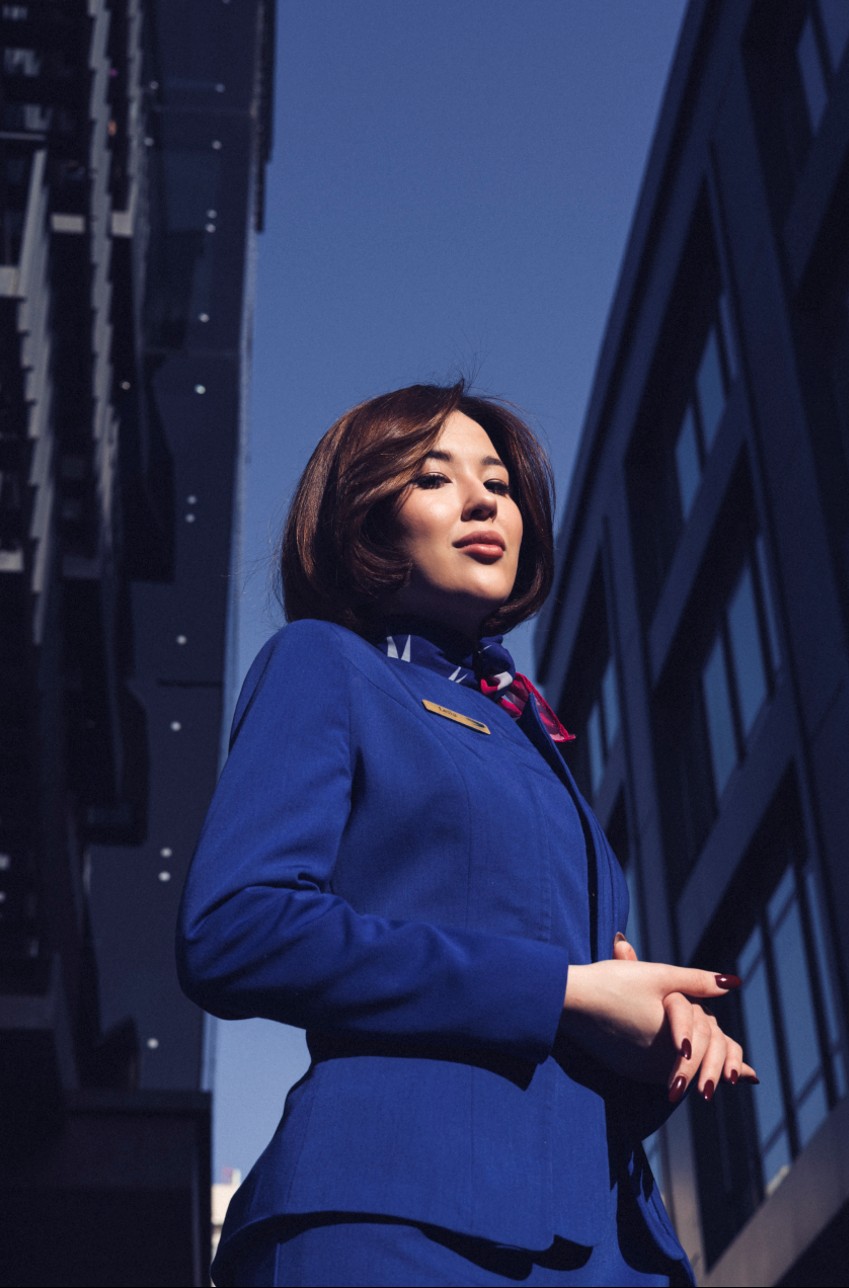

Become a guide to the world of travel


