


Places • 24 December, 2025
10 cities where it is convenient to travel without a car
More and more travellers are consciously choosing not to rent a car abroad: traffic jams eat up time, parking in the city centre costs as much as a hotel room, and petrol plus insurance can easily double the cost of a trip. Add to that left-hand traffic, unfamiliar road signs and the eternal question of ‘where will I park my car in the evening?’ The good news is that there are cities where it is not only possible but necessary to live without a car: everything is close by, transport is regular and inexpensive, and the main attractions are literally on your doorstep. Centrum Air has selected ten such places where you will get maximum impressions and minimum stress – and you will definitely not remember the need to drive a car.
1. Seoul
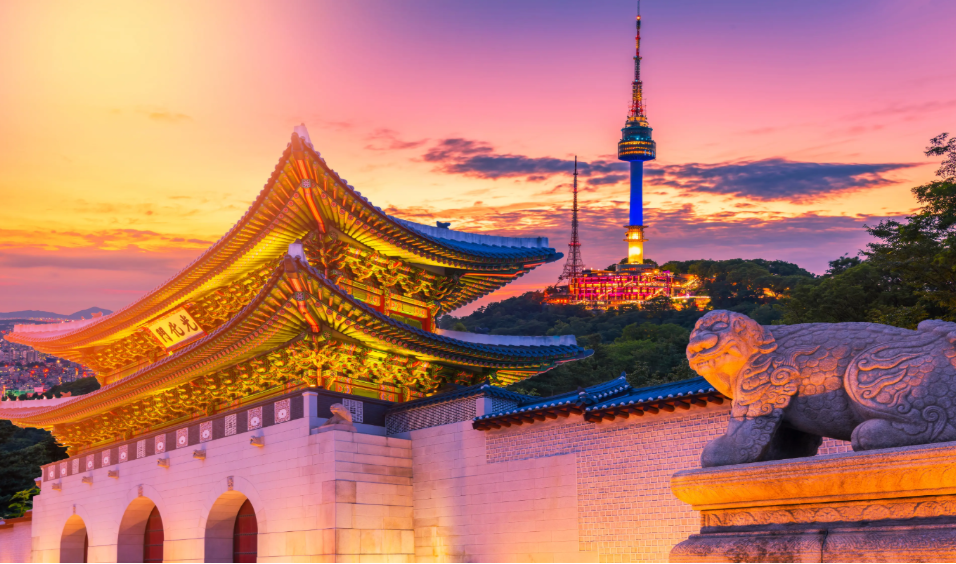
Seoul is a metropolis of 10 million people, where the metro is considered one of the best in the world in terms of speed, cleanliness and coverage. There are 23 lines, trains run every 2-3 minutes even late at night, and many stations have heated seats in winter and screens with arrival times accurate to the second. The city is specially designed so that the main tourist clusters are within a 30-40 minute radius of each other. Nightlife, shopping and street food are concentrated in pedestrian areas.
What to see:
- Gyeongbokgung Palace → Changdeokgung Palace → Changgyeonggung Palace – on foot or 1-2 metro stops away
- Myeongdong and Namdaemun Market – 10 minutes' walk from City Hall station
- Hangang and Itaewon – one metro line or a 40-minute walk along the colourful streets
- N Seoul Tower – bus No. 5 directly from Myeongdong Station or the cable car
- Gwangjang Market and the Han River – Ttareungi bicycles with hourly rates
Tourists can also use metered taxis or purchase a T-money pass at the airport or metro stations. There are also bike stations literally every 300 metres in the city, so those who wish can take a short bike tour of the city. Tourists note that a car is practically unnecessary in the tourist centre: parking is expensive, traffic is heavy, and public transport works so efficiently that it is clearly the best alternative.
2. Istanbul
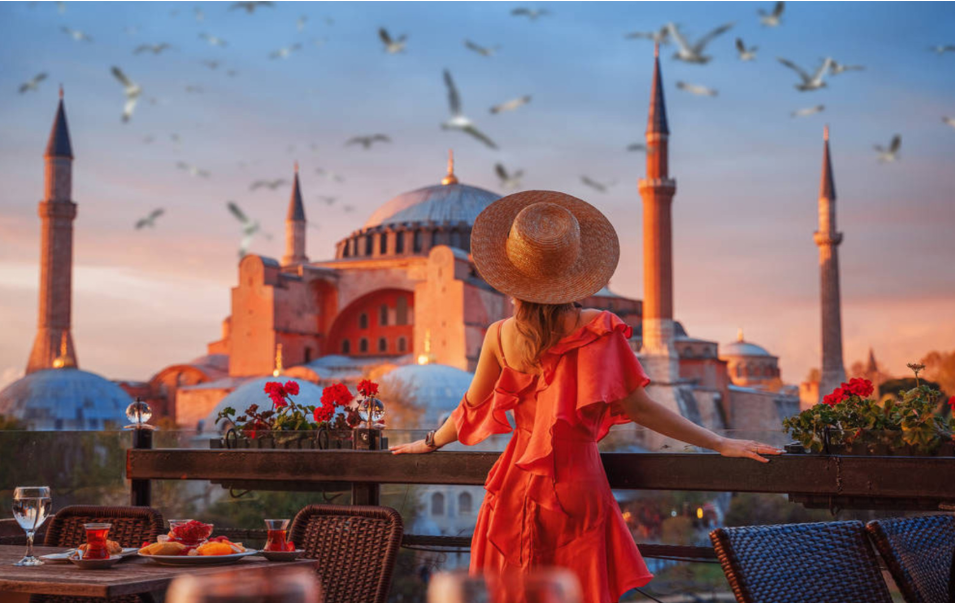
Istanbul is divided into two parts by the Bosphorus, which makes it an ideal city without a car: ferries, trams and funiculars replace everything. The city combines many historical areas, and most tourist attractions – Hagia Sophia, the Blue Mosque, Topkapi Palace, Galata Tower, and the Beyoglu district – are located close to each other or within walking distance of tram lines. Tourists quickly realise that in Istanbul, a car does not speed up travel, but on the contrary, often complicates it. The historic Sultanahmet peninsula is so compact that all the main attractions are within a 2 km radius. Traffic jams in the centre reach cosmic proportions, and even locals leave their cars on the outskirts. Local public transport runs like clockwork and offers very affordable fares.
What to see:
- Hagia Sophia → Blue Mosque → Hippodrome Square – 5–7 minutes
- Topkapi Palace → Archaeological Museum → Gulhane Park – another 10 minutes
- Grand Bazaar → Spice Market – tram T1, 2 stops
- Taksim Square → Istiklal Street → Galata Tower – 20 minutes on foot downhill
- Asian side (Kadikoy, Uskudar) – ferry 15 minutes for 12 liras
To use public transport, you will need an Istanbulkart travel card, but tourists can only buy an anonymous red card (Anonim Kart). Although it does not offer discounted fares for transfers, travel is still inexpensive. You can also use single-use electronic tickets for a certain number of trips. Istanbulkart and single-use tickets are sold at Biletmatik machines, as well as at ticket offices and kiosks at metro, tram and ferry stations and at a number of bus stops.
The metro system covers a significant part of the city and is constantly expanding, the T1 tram line is considered one of the most convenient for tourists, and ferries offer an unusual perspective on the city. In addition, Istanbul is actively developing pedestrian areas, especially in tourist districts. This makes your stay comfortable even without knowledge of the language or routes.
3. Tel Aviv
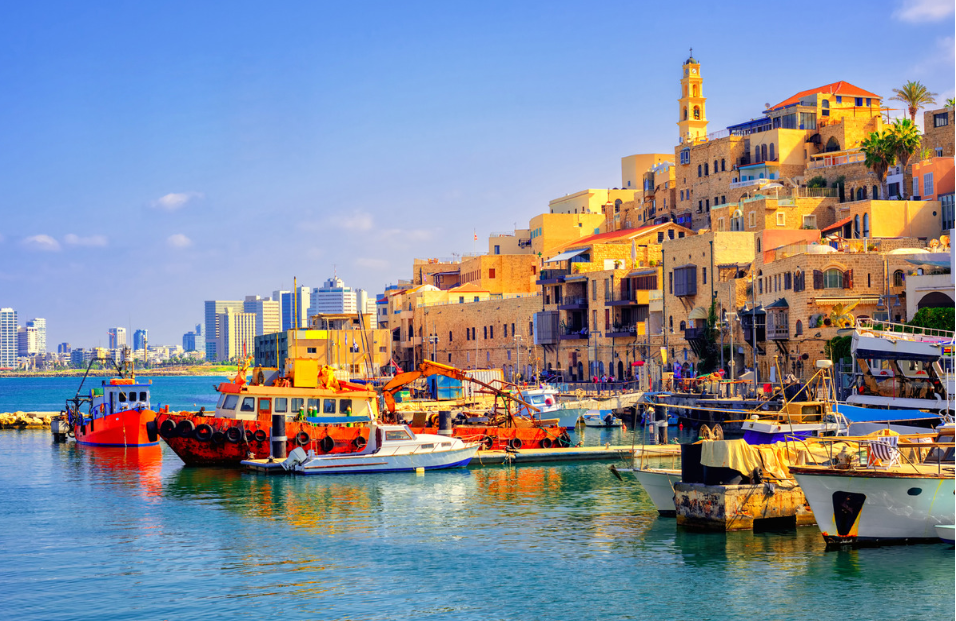
Tel Aviv is a 5-kilometre-long resort city where everything important is stretched out along the sea. There is no ‘old town’ in the classic sense, but there is a perfect 14-kilometre-long promenade where you can walk for hours. On Shabbat (from Friday evening to Saturday evening), public transport almost stops running, but that's when the city becomes completely pedestrian and bicycle-friendly. Even the locals joke, ‘You need a car in Tel Aviv to get to the car park.’
What to see:
- Old Jaffa → port → Neve Tzedek → Rothschild Boulevard
- Carmel Market → Gordon Beach → Rabin Square
- Tel Aviv Port → HaYarkon Park → Florentin neighbourhood (street art and bars)
- From Dizengoff Centre to the sea – exactly 12 minutes
Egged and Dan buses run at night, and payment is made with Rav-Kav cards – tourists can get an anonymous card by buying it at Casponet terminals or ticket offices at bus or train stations. Lime and Bird electric scooters and relatively inexpensive taxis are available here. In Tel Aviv, tourists mainly live according to the rhythm of ‘hotel → beach → café → bar’ – and all this without turning the steering wheel once. Many tourist areas are connected by short routes, and the streets form a natural, logical navigation system. This is one of those cities where walking is not a necessity, but the main and most comfortable way to get to know the area.
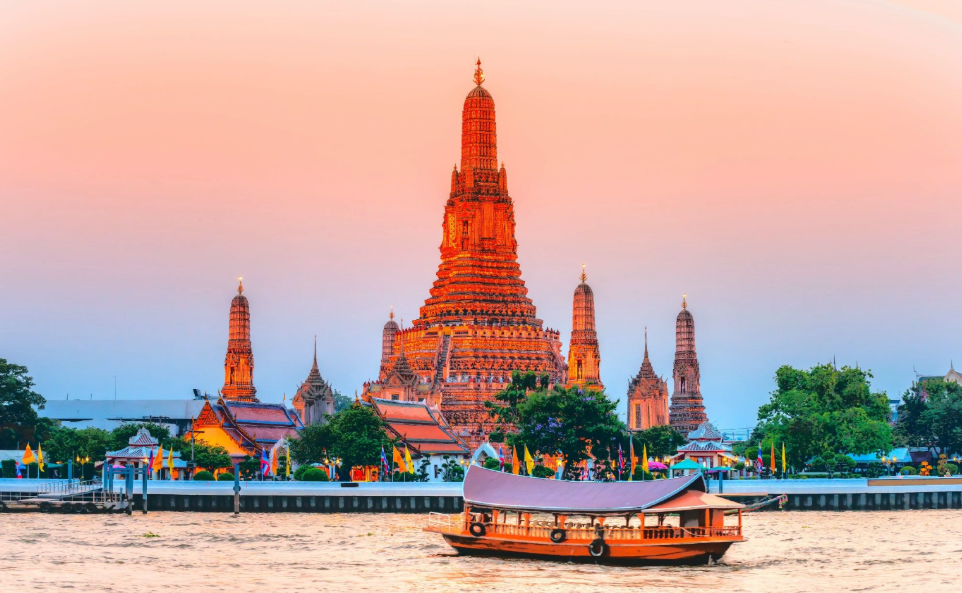
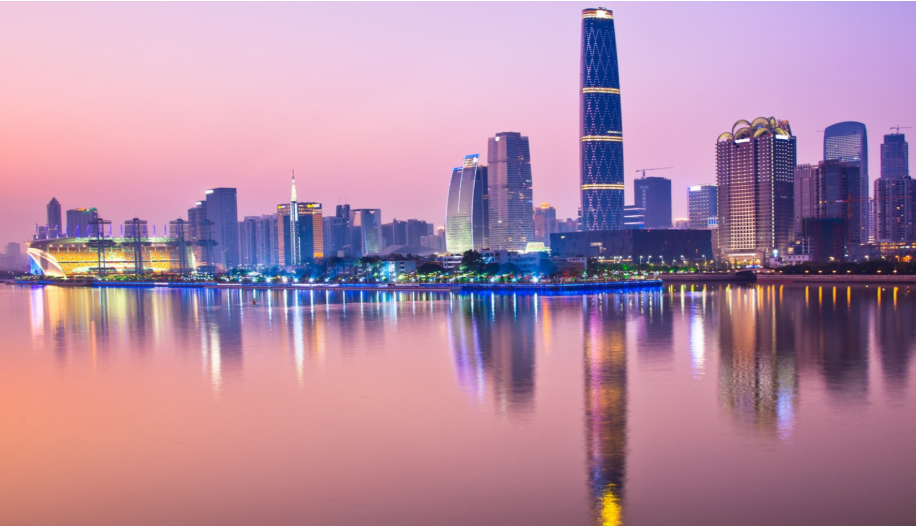
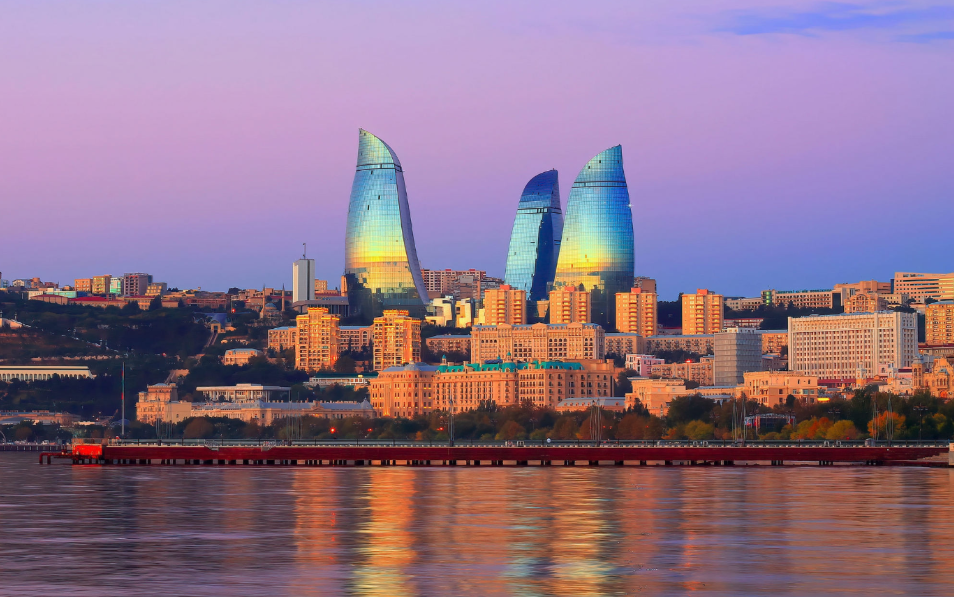
Bangkok scares people with its 10-point traffic jams, but only those who stubbornly try to drive. In fact, the city has three levels of ‘traffic-free’ transport: the BTS Skytrain, the MRT underground and river trams on the Chao Phraya. Everything of interest to tourists is located along these lines. Plus, there are affordable taxis and the Grab service. Skytrain routes pass through densely populated areas, allowing tourists to bypass traffic jams and save time. The metro connects key points of the city and runs at convenient intervals. What to see: Public transport is paid for with disposable tokens or a Rabbit Card, a contactless card that can be purchased at BTS Skytrain ticket offices. The card is universal, as it can be used to pay not only on public transport (except for some metro lines and the Airport Rail Link), but also in some shops, pharmacies and restaurants. Tourists do not need to worry about parking or navigation – the transport system is extensive, easy to understand and convenient even for those visiting Thailand for the first time. Many areas, including shopping areas and temples, are located close to each other, so walking will be a pleasant part of your trip. Even in the most ‘car-centric’ city in the world, you can get by perfectly well without a steering wheel. The Dubai Metro is fully automated, with Gold Class carriages and separate carriages for women. The Red and Green lines pass through all the main points. All major malls are connected by air-conditioned walkways and metro stations directly inside. The tram connects the business and tourist parts of the city, and water taxis allow you to travel around the bay and canals. What to see: Taxis in Dubai are more affordable than in Europe, but if you travel frequently, the costs will still increase significantly, so it is worth purchasing a NOL card. The red card is suitable for tourists for one-off trips. It specifies in advance the number of trips and the distance that can be covered – within the zone, to a neighbouring zone or further. Thanks to predictable schedules, high service levels and convenient transfers, even long distances are no obstacle, as the transport system operates with high precision and covers almost the entire city. Old Tbilisi is one of the most pedestrian-friendly cities in the CIS. The city centre is compact, with many popular tourist areas located close together, and the metro connects key areas. It takes 15 minutes to walk down the cosy streets from Freedom Square to the Abanotubani sulphur baths. A particular advantage is the cable car directly from Rike Park, which helps you quickly climb up to Narikala Fortress and gives you the opportunity to see the city from above. The Sololaki, Vake and Vera districts are full of cafes, wine bars and galleries within walking distance. The city has a well-developed public transport system, including the metro, buses, minibuses and even a funicular, which can be paid for using the universal Metromoney card. There are also inexpensive and convenient taxi aggregators such as Yandex Go, Bolt and Maxim. What to see: Even the laziest tourist in Tbilisi walks 15–20 thousand steps a day – all to enjoy the local beauty. The city is developing its tourist infrastructure and making it easy and safe to get around. Tourists note that walking is much more convenient. The trip becomes more enjoyable when you can move slowly, stop at small coffee shops and enjoy the view of the old quarters. Moscow is one of the world leaders in terms of the density and beauty of its public transport system. The metro runs every 90 seconds during rush hour and connects all key areas of the city, and its density allows you to get around quickly even during rush hour. The local stations are true works of art that are worth a separate tour. The MCC and MCD lines connect remote parts of Moscow and reduce travel time significantly, turning the ring road into a ‘ground metro.’ Trams and buses complement the overall network, and many tourist areas – Red Square, Arbat, Zamoskvorechye – are pedestrian-oriented. What to see: Bicycles, scooters and electric scooters have become a particularly important element of urban mobility. There is a well-developed rental system throughout the city centre, and cycle paths and routes along parks make travel convenient and safe. Electric scooters from major services allow you to quickly travel short distances, avoiding traffic jams. Thanks to this, Moscow confidently maintains a high level of urban mobility and offers tourists many alternatives to cars. For tourists, this means the ability to move around the city quickly, conveniently and without the need for their own transport. Navigation is well thought out, signs are clear, and crossings allow you to plan routes with minimal difficulty. Fast transfers, high-quality infrastructure and a dense network of routes make travelling around the city easy and affordable. Malé is the smallest and most densely populated capital in the world: 5.8 km² and 200,000 inhabitants. The entire city can be walked around in 2-3 hours, so there is no need to navigate complex routes or look for transport: the island's atmosphere is conducive to leisurely strolls and observing the lives of the locals. There are few cars, the speed limit is 30 km/h, and there is almost no parking. An additional advantage is the well-developed water transport routes: speedboats, ferries and private boats run between the islands, making travel quick and enjoyable. A speedboat will take you from Hulule Airport to the capital in 10 minutes. What to see: It is physically impossible to get lost or be late in Malé – everything is close by. The city is located on a small island, and the distances here are so short that any trip takes only a few minutes. The streets are tightly intertwined, the neighbourhoods are compact, and tourist attractions – markets, mosques, embankments, government buildings – are located close to each other. Here, a car is not only unnecessary – there is practically nowhere to park it. Guangzhou is a metropolis of 15 million people that is often underestimated by tourists, although in terms of public transport convenience, it easily ranks among the top five cities in Asia. It has one of the most extensive and modern metro systems in the world: 16 lines (with more under construction), trains every 2-3 minutes, air-conditioned stations, English signage and even USB chargers. All the main tourist attractions are located along the metro line or within a 10-15 minute walk from the stations. The city is specially designed so that the historic centre, the skyscrapers of the new district and the islands are within a 30-40 minute radius of each other without a single traffic jam. Areas that are a considerable distance from each other are connected in such a way that the journey takes less time than a car trip through heavy city traffic. What to see: In addition to the metro, Guangzhou has Mobike/HelloBike bicycles with hourly rates and a well-developed bus system with separate lanes, allowing you to move quickly even during rush hour. This is especially important for tourists – the routes are detailed, and the stops are convenient and well-equipped. Pedestrian areas, such as Shangxiaju, are designed for walking, shopping and relaxation, creating an atmosphere where cars are simply not needed. To use public transport, you will need a Yang Cheng Tong smart card, which is also accepted in shops (e.g. 7-Eleven), parks and for parking payments. The card can be purchased at Guangzhou Metro Customer Service Centres, stations or 7-Eleven shops. Baku has a 15-kilometre-long Seaside Boulevard, which turns into a pedestrian zone in the evening. The old town of Icheri Sheher is completely pedestrianised, with no cars allowed. The Flame Towers, Nagorny Park and Crystal Hall are all within a 4-5 km radius of the centre. The city is compact, logically designed and well connected by metro: 3 lines, short intervals between trains and stations close to the main attractions. Most tourist attractions are within a 10-20 minute walk, and the main routes run along the Caspian coast, where there are wide pedestrian areas. What to see: In addition to the metro, there is an extensive bus network, electric scooters and bike rentals. Payment is made using the BakıKart, which is sold at metro stations and bus stops. The city is actively modernising its transport and improving navigation: the maps are clear, the routes are direct, and travel times are short. For tourists, this means less need to navigate complex intersections and more opportunity to explore the city at a leisurely pace. Baku is an excellent example of how a large city can remain comfortable even without a car. Pedestrian zones, a comfortable pace, and modern solutions make travelling easy and enjoyable. Conclusion Travelling without a car is not a compromise, but a conscious choice that opens up new experiences and makes travelling easier, more flexible, and more fulfilling. Cities that develop convenient public transport, pedestrian zones and cycling infrastructure give tourists the opportunity to focus on the most important things – the atmosphere, routes and lively rhythm of local life. In the cities listed in the article, travel takes a minimum of time, and the accessibility of transport allows you to reach all key points without unnecessary expense. For travellers, this means a predictable budget, no stress, freedom of choice and the ability to change plans on the fly. With a well-planned itinerary, the trip is dynamic yet relaxed: no need to think about parking, traffic rules or traffic jams. Such cities clearly demonstrate that comfortable mobility does not depend on cars – it is created by a combination of convenient transport, clear navigation and well-designed urban space. If you are planning a trip and want to spend your time as efficiently as possible, it is worth looking at destinations where the city's infrastructure works for your convenience.4. Bangkok
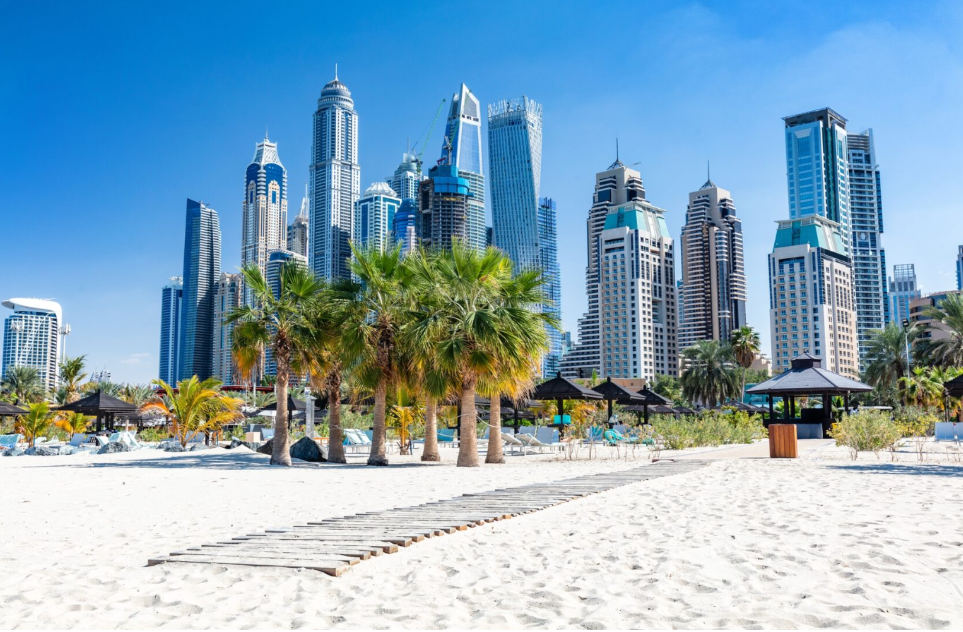
5. Dubai
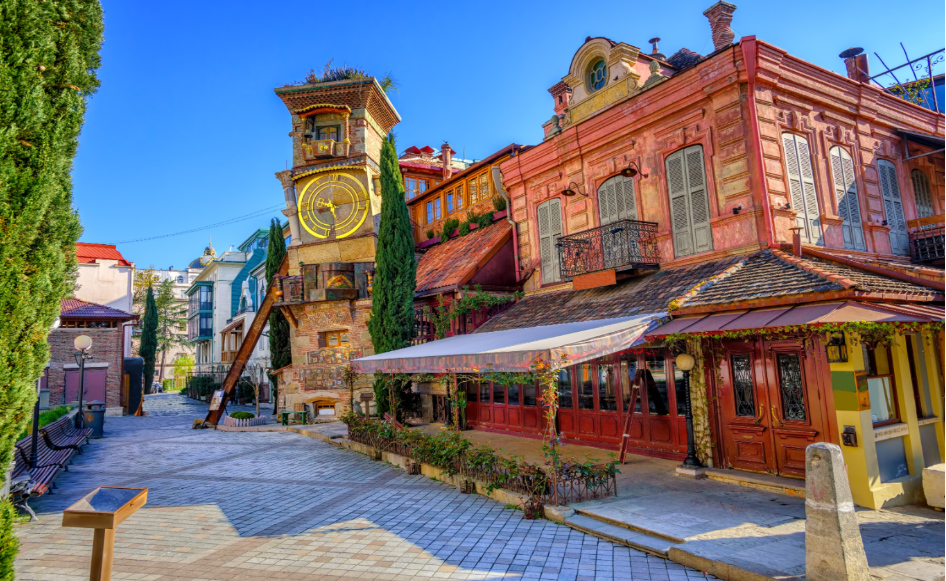
6. Tbilisi
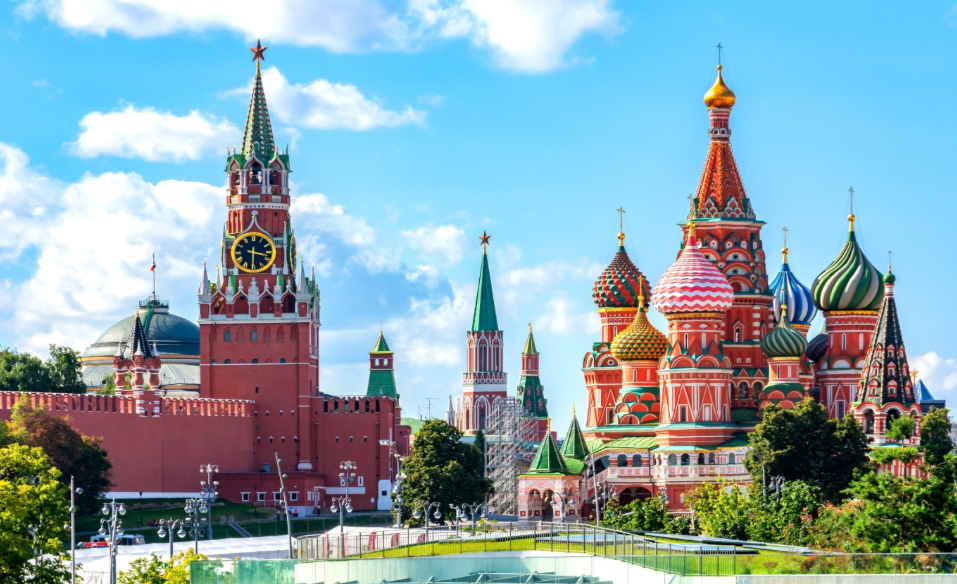
7. Moscow
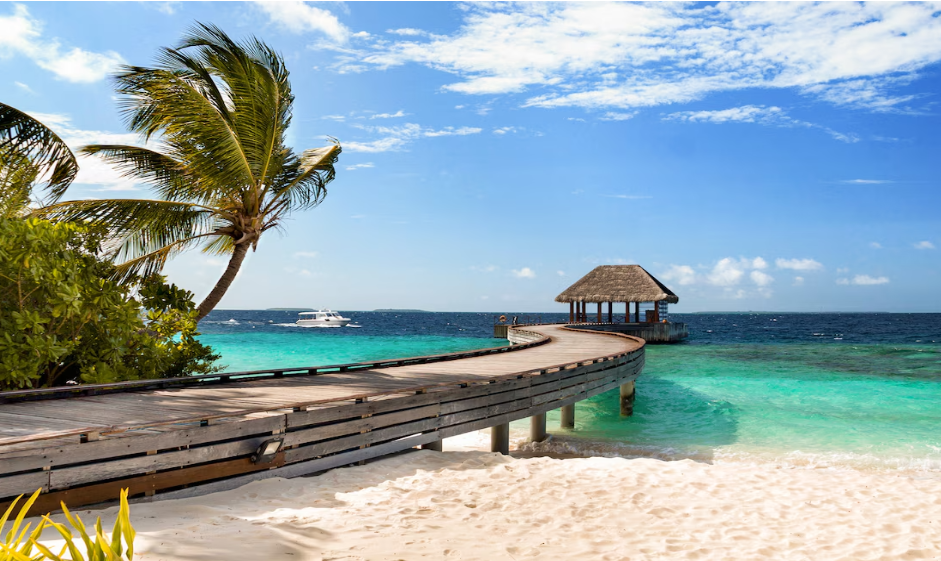
8. Malé
9. Guangzhou
10. Baku
Become a guide to the world of travel


